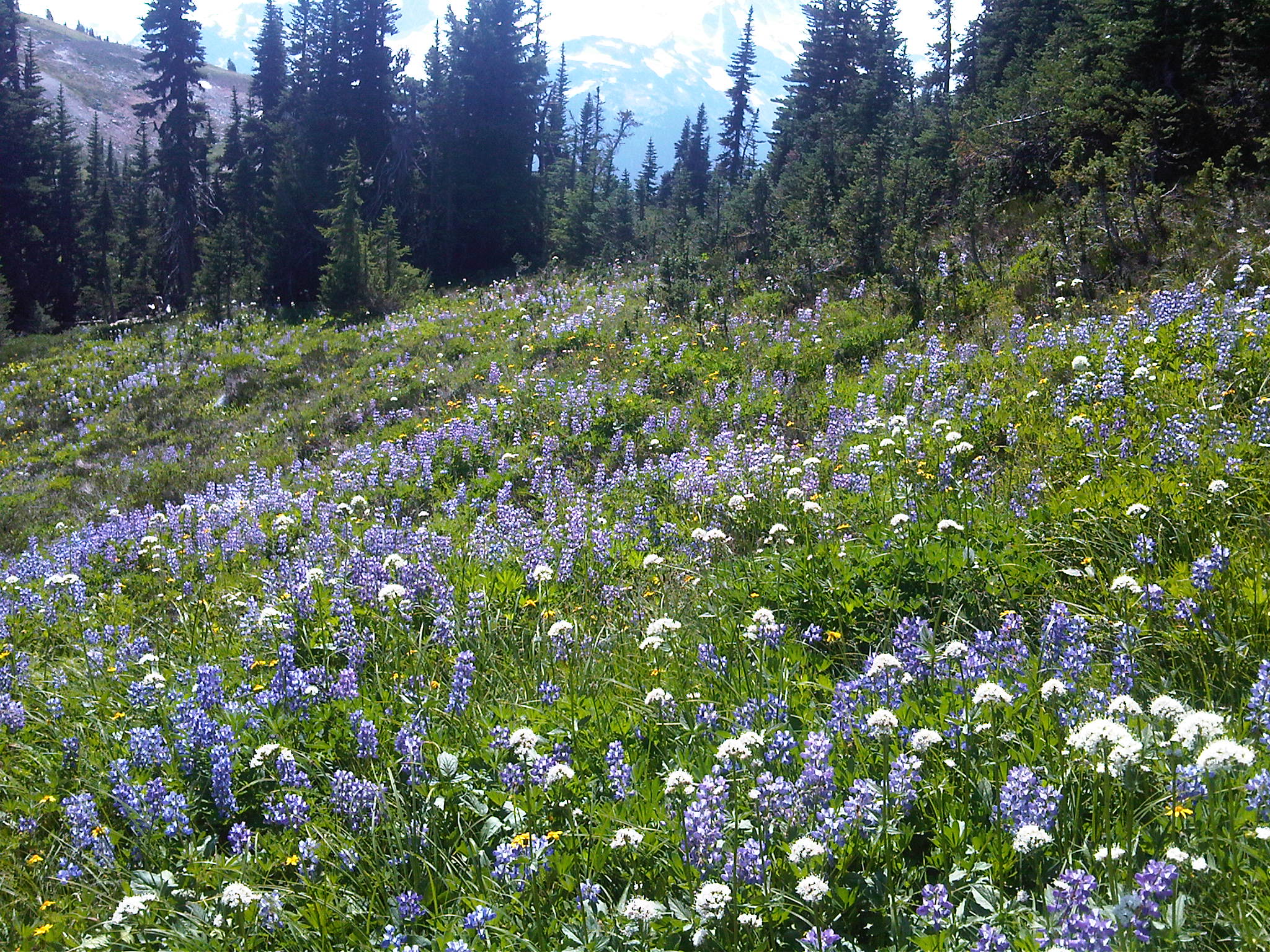
Alpine wildflowers

Lupins and other wildflowers in bloom in an alpine meadow in Garibaldi Provincial Park

Yesterday we hiked from the top of the Whistler Gondola, over the Musical Bumps and down Singing Pass trail back to Whistler. Although the hike is generally downhill – you get off the gondola at 1809 m and eventually get back at the village at 652 m – the 20k hike is quite rigorous and involves many ups and downs. This particular hike is one of BC’s best: the view is spectacular and the path travels through a variety of environments including rocky moraines, alpine meadows and old-growth forests.

Our timing was perfect, as the alpine wildflowers are now in full bloom. The photo (above) doesn’t really do the flowers justice; each meadow we walked through featured different combinations and colors of flowers. The trail down from Singing Pass was also lined with many different blossoms, many of which are familiar to me because they used to grew in our garden.

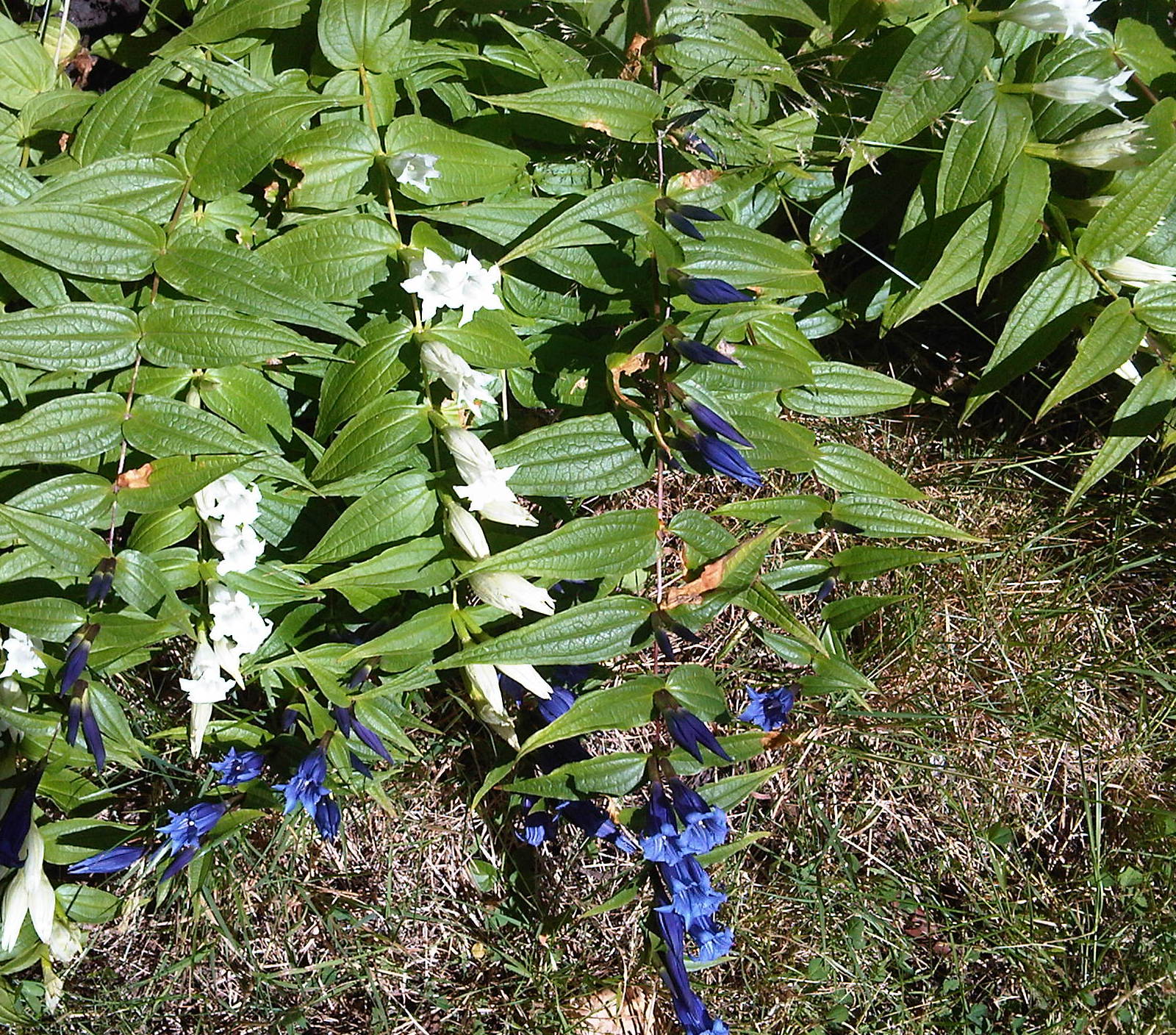
As I mentioned in an earlier post, I inherited my garden from my late in-laws who specialized in alpine gardens. Vlad was a member of the Alpine Flower Club and Marta loved wildflowers and successfully cultivated many types in the yard including gentians (below), which continue to thrive. We also used to have a number of different types of lupines, but none of them bloomed this year. I have a horrible suspicion that I may have pulled out many of these plants early in the season, thinking that they were weeds.

Note for next year: only pull out the familiar weeds.

White and purple gentians (not the best picture)

Posted in Uncategorized | Tagged , , | Leave a comment

Sam and Ellie: the perfect guests

Besides gorging oneself on raspberries, one of the best things about having a garden is sharing it with friends. We enjoy having people over in the summer to eat, drink and chill out on the deck. The garden is also a great place to entertain small visitors and there are many features in our yard that appeal to kids including a dirt pile, hoses, the tree house, and wild strawberries.

Last week friends came over and brought along adorable two-and-a-half year old twins, Sam and Ellie. We all had a great time; the adults sipped coffee in the shade, and the small ones picked strawberries, raspberries and beans, ate unripe apples and dug in the dirt. They both climbed up into the tree house and then they had fun with the hoses, pretending to water the plants and scooping the fake fish out of the bird bath. There was a huge amount of excitement when the water was finally turned on: Ellie kept spraying her brother, and they both laughed hysterically. Sam finally figured out how to use the spray attachment and sprayed his sister back (albeit with less happy results). Here is a short youtube.

The visit was  FABULOUS. Sam and Ellie are welcome to come over again anytime, and can bring along their Mom and Auntie for more drinks in the shade. I wish I could say that all visits were this fun, but I have to admit that there have been one or two specific occasions (cough, cough) when things have gone spectacularly wrong and I’ve wished for a large swarms of giant insects to take certain guests away forever. But enough about that.

Reflecting on Sam and Ellie’s visit, here are some things that they did right, which are good general guidelines for future visits.

Do bring some toys. Often, families with big kids no longer have any small-kid toys, so it is always a good thing to bring along a favorite truck or toy. Sam brought along a whole arsenal of trucks.

Do check before you dig. What looks like just a pile of dirt may be a freshly seeded area or may contain bulbs, manure or other buried “yuck” elements. We are lucky to have a large stockpile of clean dirt for people to play in.

Watch where you step. While there are many good places to play, sometimes there are beds or areas where hands and feet don’t belong. Although rock gardens seem like fun, they are often planted with rare or delicate plants. I was proud of Sam and Ellie for always walking on the paths and stairs rather than through the rock garden.

Do feel free to taste what is offered. It can be fun to try fresh berries, fruits and vegetables picked right out of the garden. Make sure you ask before helping yourself. Some produce needs to be washed or checked for bugs before being eaten, and you don’t want to find out that you’ve picked a prize vegetable after the fact.

Do ask before turning on the water. Hoses and sprinklers can provide hours of entertainment, and many gardeners appreciate ‘help’ with watering veggies and flowers. Water fights are fun, but do try to avoid spraying cats, drying laundry, tents, books, magazines, wine glasses or other things that may be in the garden. Ask before using water balloons or other projectiles.

Don’t pick flowers or grasses without checking first. Again, that ornamental grass may be someone’s pride and joy. Don’t risk it.

Don’t pull up any stakes or other plant supports to use as spears or swords. Oops, flashback! I don’t know why visitors do this, but it happens a lot. Needless to say, Ellie and Sam did not do this.

Be considerate of pets. Our cat is normally wary of visitors, but because Ellie moved slowly and was very gentle, she was able to pet Miss Kitty.

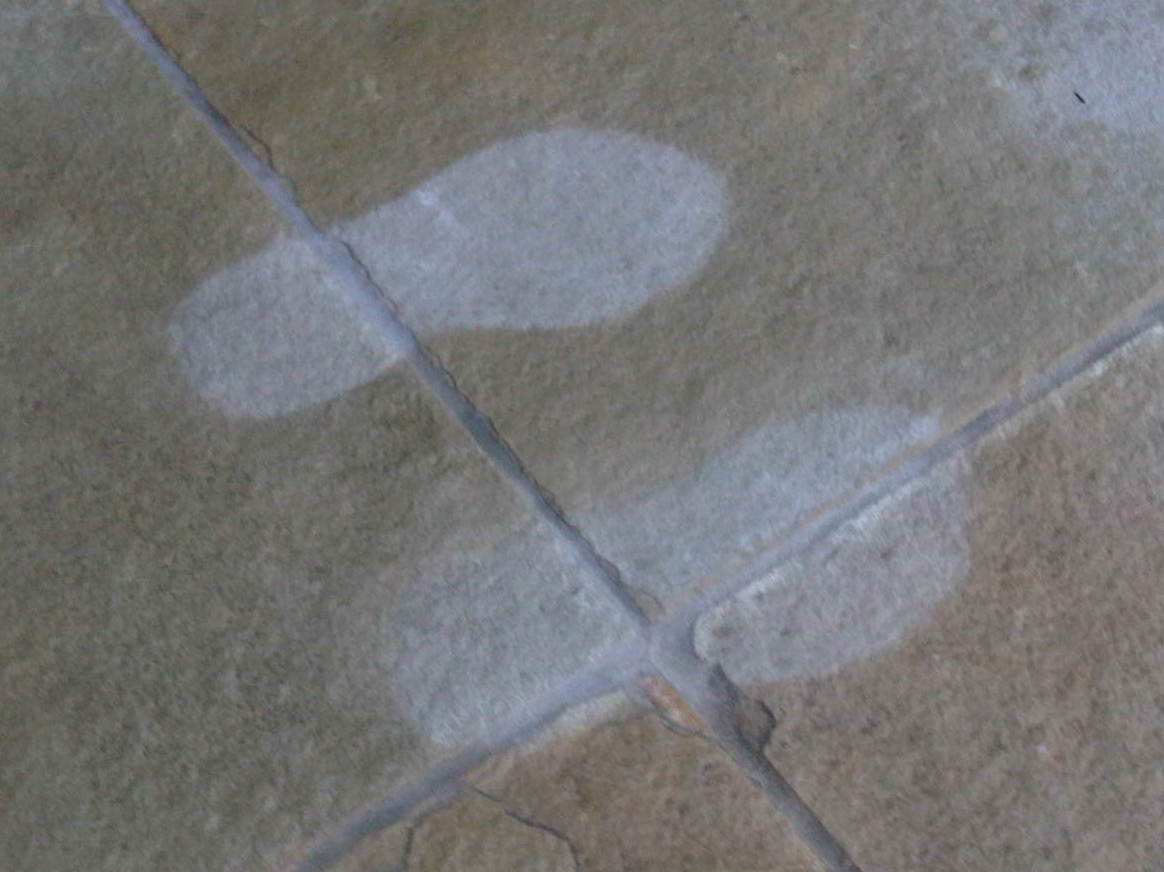
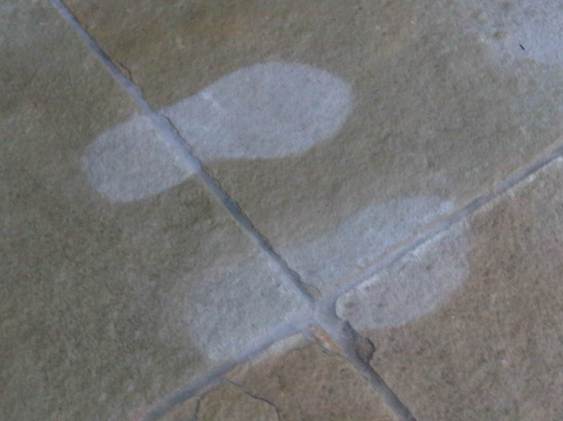
After Sam and Ellie left, a mysterious elf-like set of footprints remained on our deck. We finally figured out that these prints were from Ellie standing completely still while her mom sprayed her with sunscreen. So cute – we laughed. The footprints have started to fade, but the good memories of that visit haven’t.

Posted in Uncategorized | Tagged | Leave a comment

Summer carrots

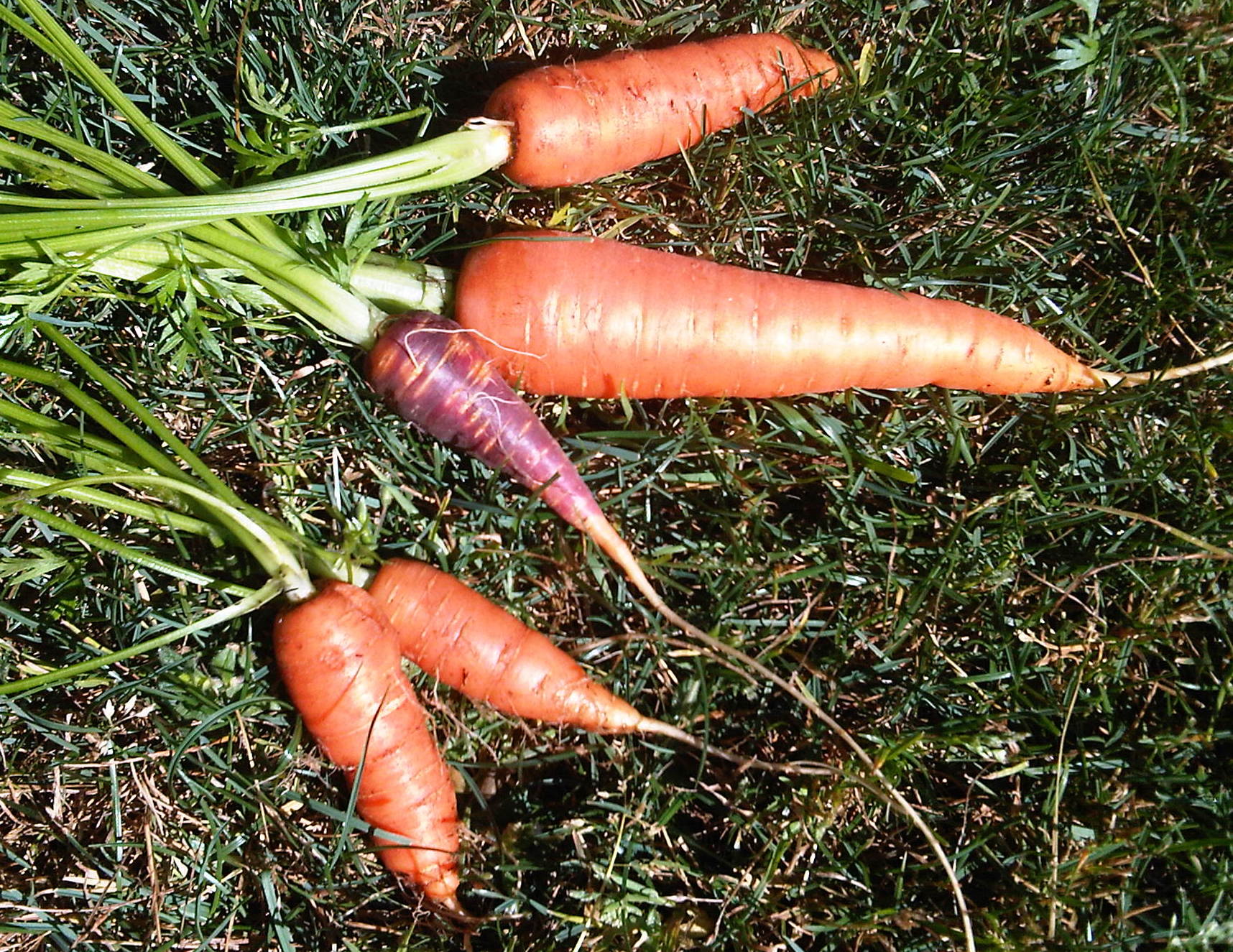
Bolero carrots at the top right, one purple haze carrot and two little finger carrots.

Yesterday I blogged that my summer carrots still weren’t ready, based on one tiny carrot that I pulled up last week. How wrong I was: the summer carrots are ready! I don’t eat very many carrots especially since the orange incident* a few months ago, so I am planning to leave most of these in the ground until my kids get back from camp. I am trying to instill the love of gardening in them, and nothing does this better than getting to harvest and eat good things.

(*The orange incident was truly unusual situation where someone made a big, big fuss about how orange they perceived me to be. My skin is not the least bit orange, but this person kept insisting that it was, and kept asking “You eat lots of carrots, yes?” No, I don’t eat lots of carrots, I don’t have orange skin and the fact that this person was a medical professional made the whole thing even more bizarre.)

Posted in Uncategorized | Tagged | Leave a comment

Winter carrots

Although my summer carrots are still not ready, the planting calendar says that it is time to plant winter carrots. If feels a little early to plant winter vegetables, but a quick check with the Lunar Calendar confirmed that August 13&14 are auspicious planting days, so I pulled out my seed packets and headed into the yard.  Last year’s winter garden was an “epic fail”, as my kids would say, so I am hoping that an earlier planting will yeild better results.

The only planting space I have available right now is the area formerly occupied by the garlic. After adding about 40 litres of sifted compost (by volume) and about 15 pounds of steer manure, I dug everything under and watered well. I planted nine alternating rows of purple haze, little fingers and bolero carrots. Finally, I gently covered the seeds with light soil and watered again.

The challenge will be to keep the rows moist until the seeds sprout. One of the seed packets recommended a floating row cover, but I haven’t quite reached that level of sophistication with my gardening, so instead will give the bed a light watering each day.

Other news…

  • Most of the lettuce is finished – it has either bolted or stopped producing or has turned brown. This week I am going to start pulling some of the spent plants out. I am not sure if I am going to plant anything there for the winter yet, as that bed could probably use a rest.
  • After a fabulous run, the fava beans are finished. Last night I pulled the last few pods off the fava trees and pulled out the fava forest. Most of the plants had nodules on the roots, which is how they do their magic nitrogen fixation thing. There were a lot of dried black pods on some of the plants, which I saved, shelled and am drying.
  • Kale is (finally) starting to grow fast, and I look forward to turning that into stir fries. This has been a late year for many things; yesterday we enjoyed our FIRST swiss chard of the season.
Posted in Uncategorized | Tagged , , , | Leave a comment

Plum Gorgeous

One of my summer inspirations has been Romney Steele’s Plum Gorgeous – Recipes and Memories from the Orchard. This book combines recipes, writing, reminiscences, poetry and lots of lush photos of fruit, food and people. Although some of the recipes use fruits and ingredients that are hard to find in Vancouver (persimmons? quince?) most of the recipes are fairly simple and straightforward.

Easy recipes. The four recipes from the book that I made so far include marmalade, marmalade chicken, preserved lemons, and most recently, slow-cooked apple butter from our own apples. The recipes are written in a narrative form and also include variations, warnings about possible pitfalls, and instructions for what to do if things go wrong. For me, this is like someone standing next to me in the kitchen, guiding me through the recipe, imparting expertise and knowledge.

Learning to can. Although the recipe book doesn’t have a lot of specific canning instructions, I had to learn to can in order to make the marmalade and the apple butter. Now I have started to correctly preserve jam and fruit sauces instead of just freezing everything.

Next: vanilla apple butter. The apple butter recipe that I made featured both cinnamon and nutmeg. As our apples continue to ripen, I plan to make at least one more batch, this time with vanilla beans. I am going to try to experiment with a few of the other apple recipes in there as well, and also find something creative to do with the rhubarb.

Final verdict: Fabulous. This is one of my most cherished cookbooks and has led me in new culinary directions. Also, the photos and the format of the book really are gorgeous. A big thanks to my friend who gave me the book: lots more apple butter is coming your way dude!

Posted in Uncategorized | Tagged , , , , , | Leave a comment

Nasturtiums

Finally my nasturtiums, which I planted from seed, are blooming.

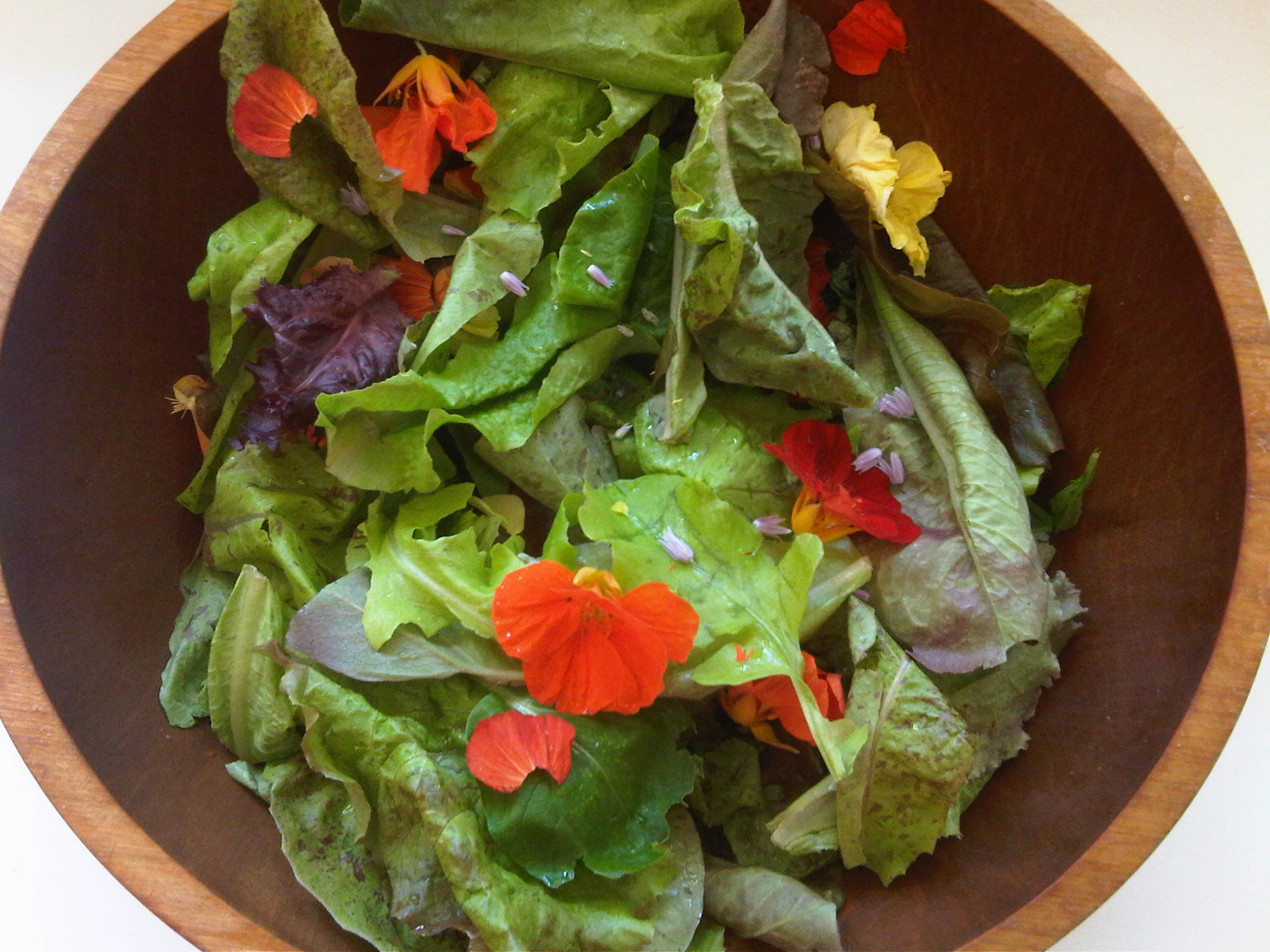
There are many excellent reasons to plant nasturtiums. Not only are they easy to grow, but they fill up a lot of (empty) space, they grow in poor soil, they look fabulous AND you can eat them.

Growing and caring for nasturtiums is easy. Just plant the seeds and water. They grow slow at first, but then really take off and explode into bloom. Deadheading the older flowers apparently keeps them blooming. Although nasturtiums can attract a lot of aphids, this hasn’t been a huge problem for me.

How to eat and use nasturtiums. The whole flowers or just petals can be used as garnish or in salads. They have a slightly peppery taste.

Posted in Uncategorized | Tagged , | 2 Comments

Keep Out! Poppies!

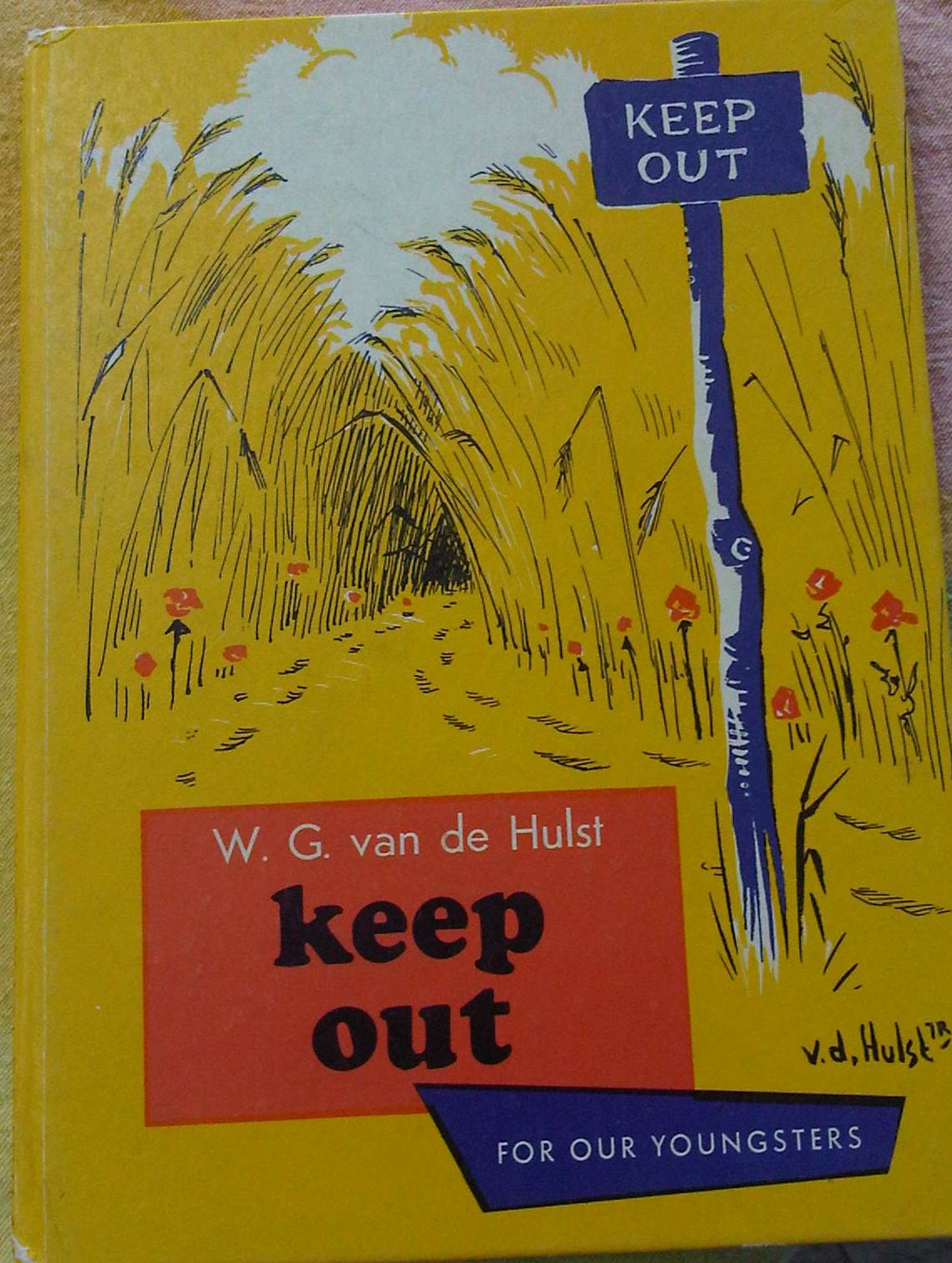
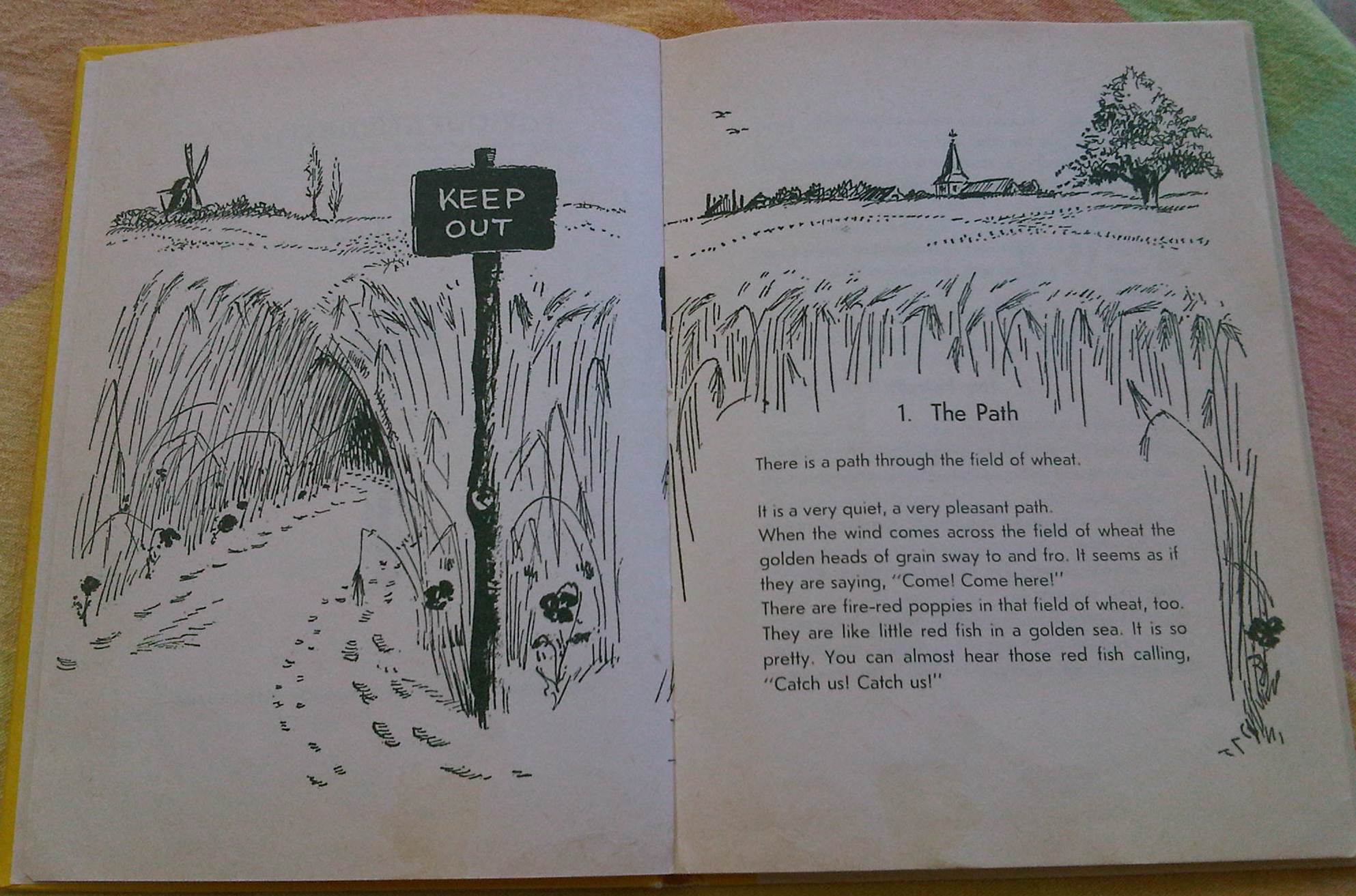
I love poppies. One of my favorite childhood books was “Keep Out”, written and illustrated by W.G. van de Hulst. This story, translated from Dutch, is about Ruth, Sally and Sally’s dog, Tippy. Ignoring the “keep out” sign,  the little girls they enter a wheat field to pick red poppies, and in the process trample the valuable wheat. Farmers, police and parents all get involved, but everything works out in end and the little girls become friends.

In my early 20s, I had a summer research job at the Plant Biotechnology Institute at the University of Saskatoon. My job was to maintain the papaver somniferum (opium poppy) cultures and to help elicit and extract secondary metabolites from the cultures, which were then analysed (by others) for pharmaceutical applications. The opium poppies, from which the cultures were derived, were hidden somewhere in the middle of a wheat field in Saskatchewan. As a summer student, I was never permitted to go to this top secret location, but I always (incorrectly) imagined the wheat and poppies looked similar to the fields described in my childhood book.

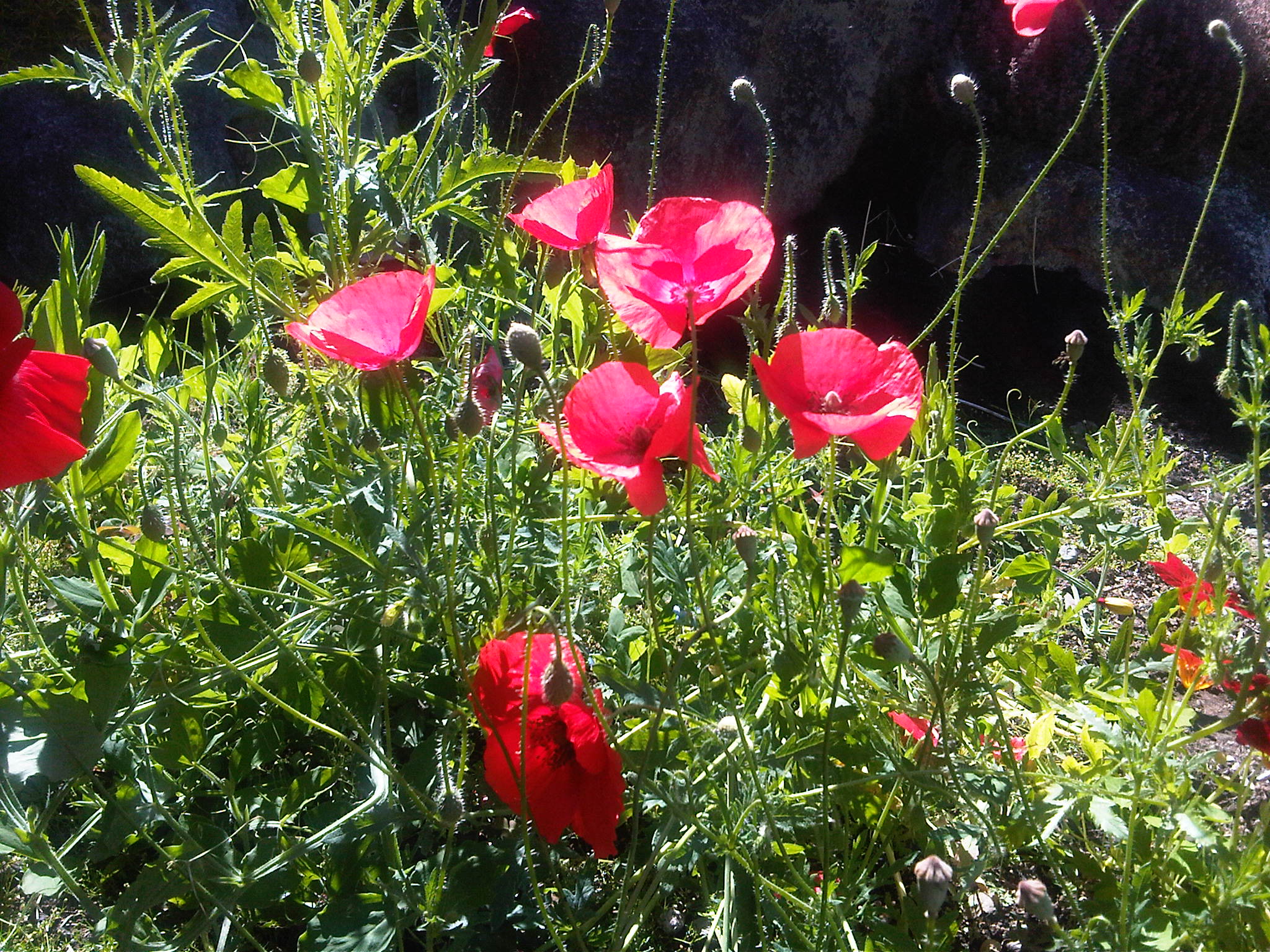
I now grow lots of different types of poppies in my garden, however none of them are opium poppies. My favorites are the regular red ones. I’ve been warned that they will eventually take over the entire garden, but I haven’t found that is the case, and they spread less than I would like them to. They only bloom for a short while and then need to be removed because the bare seed pods look so straggly.  I have been saving the seed pods and hope to grow even more of them in the rock garden next summer.

Posted in Uncategorized | Tagged , , , , , , , , | Leave a comment

Rainwater reservoir

I’ve blogged a few times about our rainwater collection/irrigation system. Okay, calling it a system is exaggerating slightly. Our “system” consists of a City of Vancouver barrel that collects rainwater running off our roof, six big storage barrels at the back of the yard and a pump and hose to move the water from the collection barrel to the storage barrels.

During the last few weeks I have been watering the vegetable garden using the rain barrels. Although The Man installed a tap at the bottom of one barrel, I prefer the “dip” method, of filling the watering cans by dipping them into the barrels. This requires a lot of strength, especially when the barrel is less than half empty. Height and very long arms are advantageous in this situation. When the barrels are almost empty, I roll them over the to the apple tree, turn them over and use the last few litres to water the three.

Here are some of the “dos and don’ts” of rainwater collection.

Do cover your rain barrels. Standing water can encourage the growth of mosquito larvae. Have a screen on your collection barrel and lids on the storage barrels to keep out insects and other particles that can contaminate your water.

Don’t drink the rainwater. My rainwater is collected from my roof, so it likely contains contaminants from the asphalt shingles as well as bacteria and virus from the squirrels and birds. This means that we never drink our rainwater, and we always wash our vegetables in tap water. Although our rainwater reservoir is part of our “emergency plan”, that plan also includes the use of a high efficiency ceramic water filter and purification tablets.

Do occasionally empty them out. If you let the water sit in the barrels sit too long in the warm summer sun, algae grows. While I am sure that this might provide your plants with extra nutrients, it does smell quite bad. You can reduce algal growth by occasionally emptying, cleaning and drying out your rain barrels.

Posted in Uncategorized | Tagged , , | Leave a comment

Mint cage match

My gardening friend, Dr. Mooks, dropped by for a visit last week. I don’t expect visitors to bring gifts, but I always appreciate when they do. Sometimes my guests bring wine (for me), chocolate (for my assistants), or cat toys and catnip (for Miss Kitty). Dr. Mooks is my only friend who brings gifts for my worms, in this case, a big container of ground eggshells.

As we were walking around the garden, Dr. Mooks commented that she thought I was very brave to have planted mint in one of my garden boxes, as it is very invasive and can easily spread. At present I have four types of mint: spearmint, peppermint and chocolate mint in the garden box, and regular mint growing in the lawn.

Later,I thought about what she said and then dug up the plants and put them into the large pot pictured above. Although the peppermint in the garden box had a defined root ball, both the chocolate mint and spearmint had already started to spread throughout the box. I dug up some of the regular mint from the back of the yard and put all four plants into the pot. Time will tell which of these plants will out-compete the others; my bets are on the spearmint and the chocolate mint.

Posted in Uncategorized | Tagged , , , , | Leave a comment

Transplants: something pink

The most recent transplant to my garden is this pink flowering plant from my neighbor in the next block. I don’t know what the plant is called, but it has been blooming consistently since I planted it several weeks ago. It is also managing thrive in a particularly rocky and arid part of the garden. My neighbor mentioned that it has spread in her garden, so I look forward to it spreading in mine.

If anyone knows what this is, please leave a comment in the box below.


Posted in Uncategorized | Tagged , | Leave a comment