Fun facts about mould

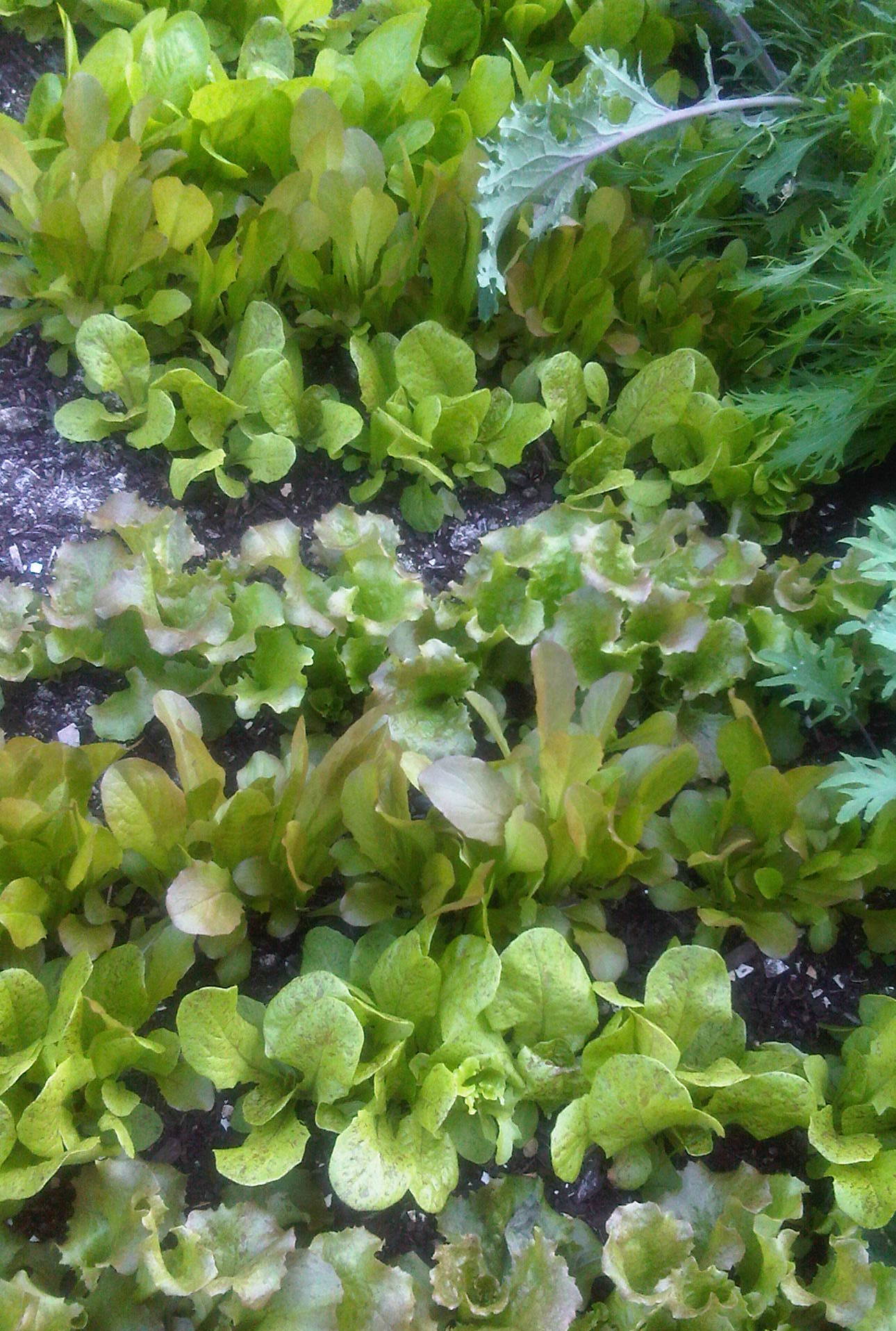
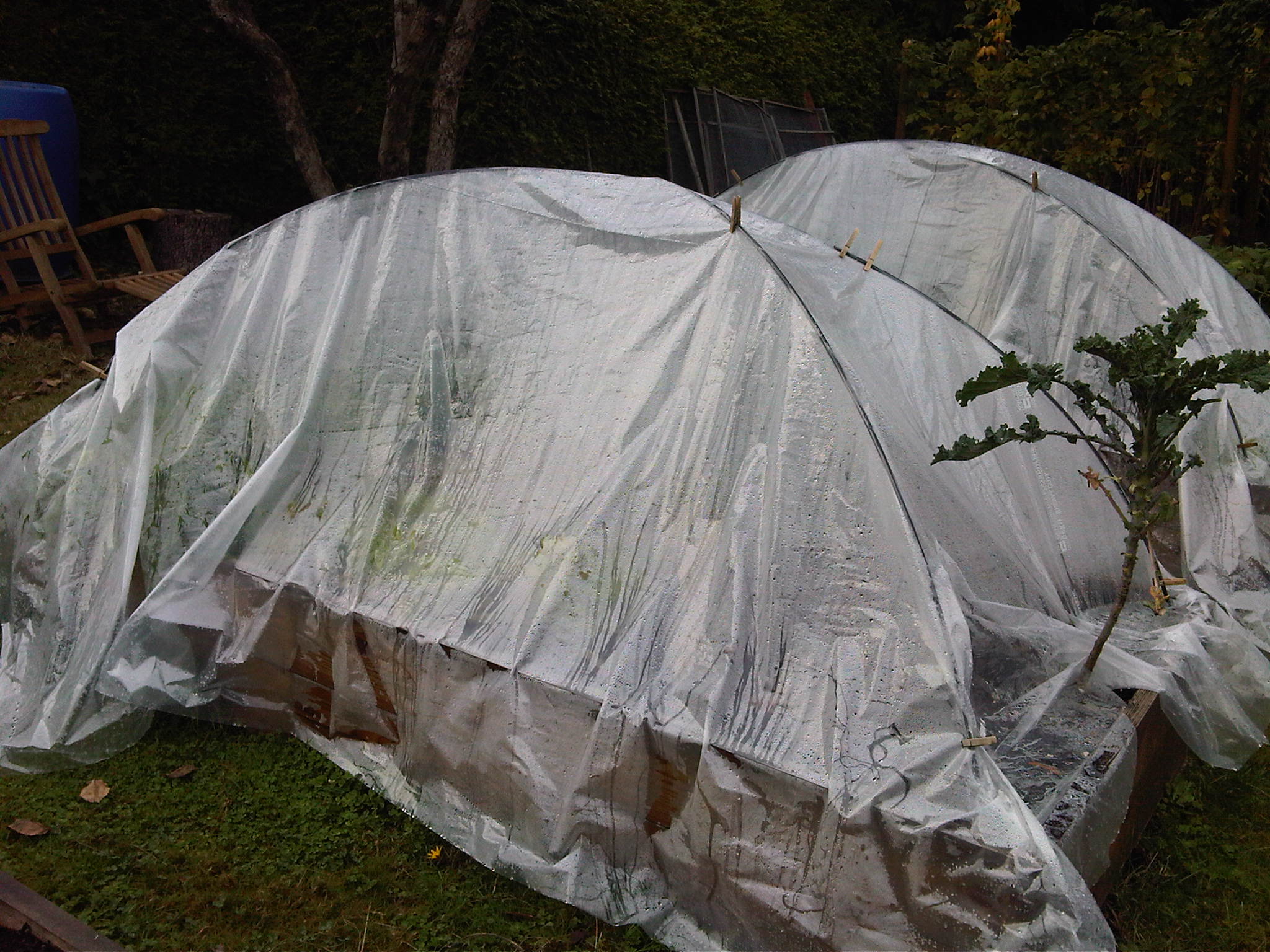
On Sunday, during a brief nano-second of sunshine, I ran into the yard to check on all my veggies. Everything in the slug biodomes seems to be thriving and I harvested a salad for dinner.

Some of the outdoor plants were definitely not happy; the zucchinis and beans, which I had left growing in the hopes of having one last fall harvest, were all mouldy. So much in fact, that when I pulled out the plants, clouds of dusty spores were released into the air around me.

Panicking, I pulled all the plants and the rotting veggies (boo!) into the garden waste before the mould could spread. Then, my rational left brain calmly took control, and reminded me of a few fun facts about mould  that I had tucked into my brain from my very brief stint as an indoor mould expert:

  • Moulds are naturally occurring and widespread, especially in the outdoor environment. Outdoor air concentrations of mould spores and fragments depend on the season, climate, local vegetation and time of day, with levels ranging from < 100 – > 105 spores/m[1].
  • We are exposed to mould every day. There are over 100,000 different fungal species reported; humans are routinely exposed to about 200 types [2].
  • Levels of outdoor mould are elevated by activities such as lawn mowing, gardening, leaf blowing, street sweeping, construction work.
  • Moisture is the primary factor needed for mould growth. In addition to moisture, mould requires oxygen, a carbon-based nutrient source, and an acceptable temperature range.

Although numerous studies have concluded that the growth of visible mould indoors, regardless of the species or the amount, is inappropriate and needs to be removed, moulds are naturally occurring and widespread in the outdoor environment. Removing a few mouldly plants from my garden is unlikely to make much of a difference in overall mould levels. Removing a mouldy plant may not reduce the chances that the surrounding plants start moulding, as (in theory) those mould spores are already present in the environment. However, mouldy plants looks awful, so just from an aesthetic perspective, they are worth removing. So, garden activities in the next few weeks will focus on removing wet and mouldy plant materials and weeds….

Some references:

[1] World Health Organization. WHO guidelines for indoor air quality: dampness and mould. 2009.

[2] Institute of Medicine. Damp Indoor Spaces and Health. Washington, DC: National Academies Press, 2004.
Posted in Uncategorized | Tagged | 1 Comment

Winter gardening: Slug biosphere

Slug Biosphere

For several weeks The Man had a fairly innovative structure set up in the back yard to protect his kayak while he sanded and varnished it. Last weekend he towed his kayak back down to the beach.

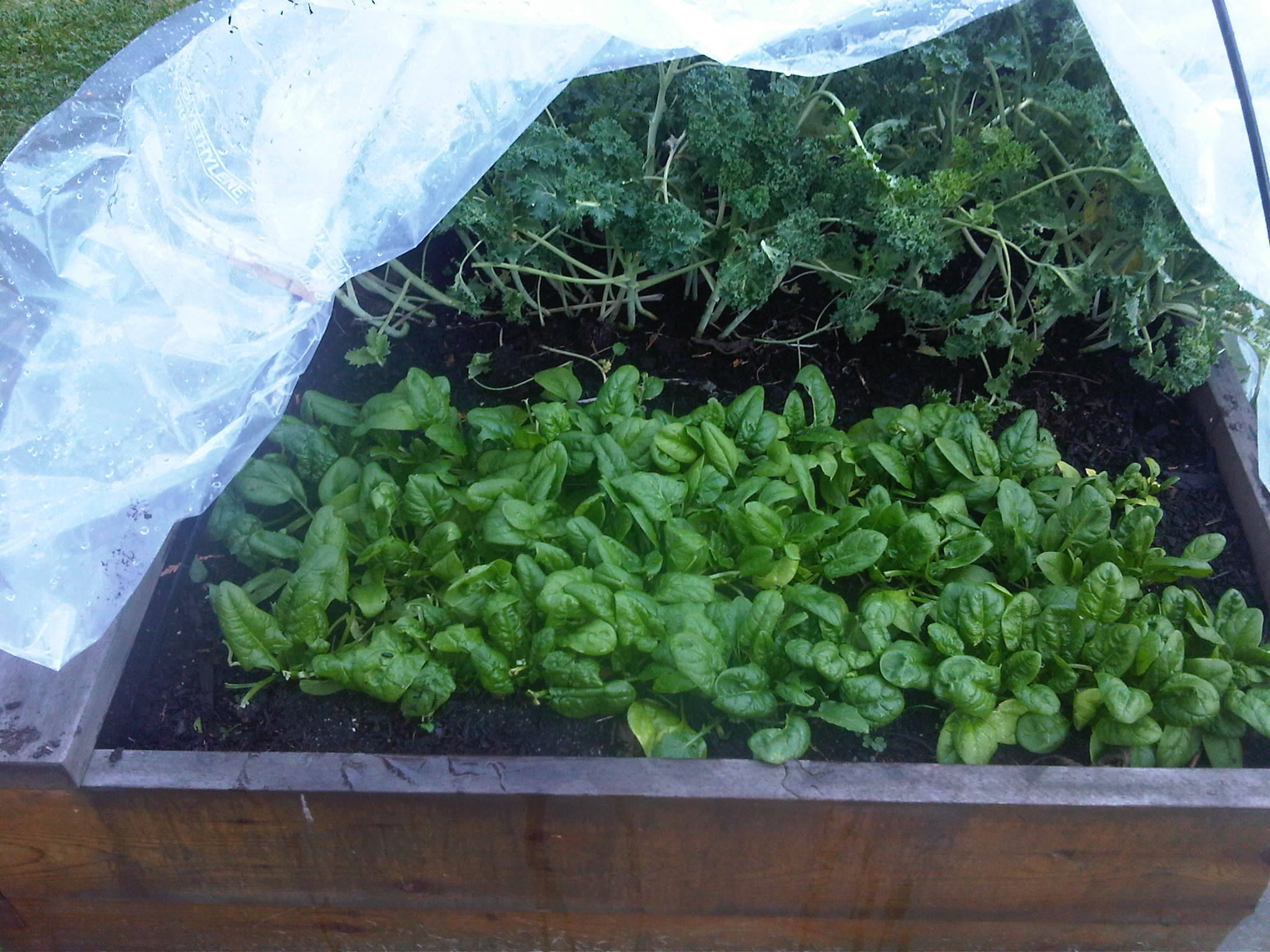
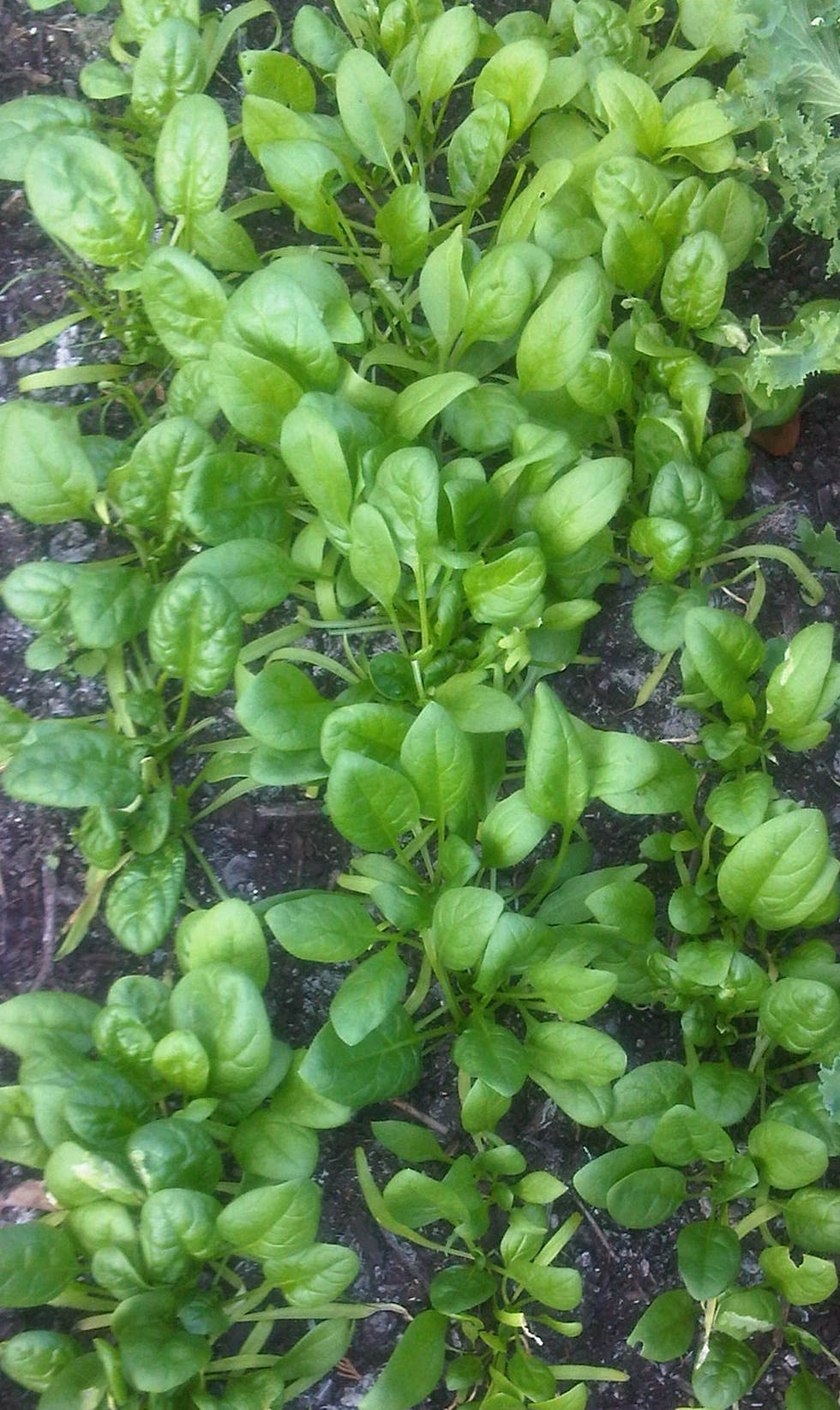
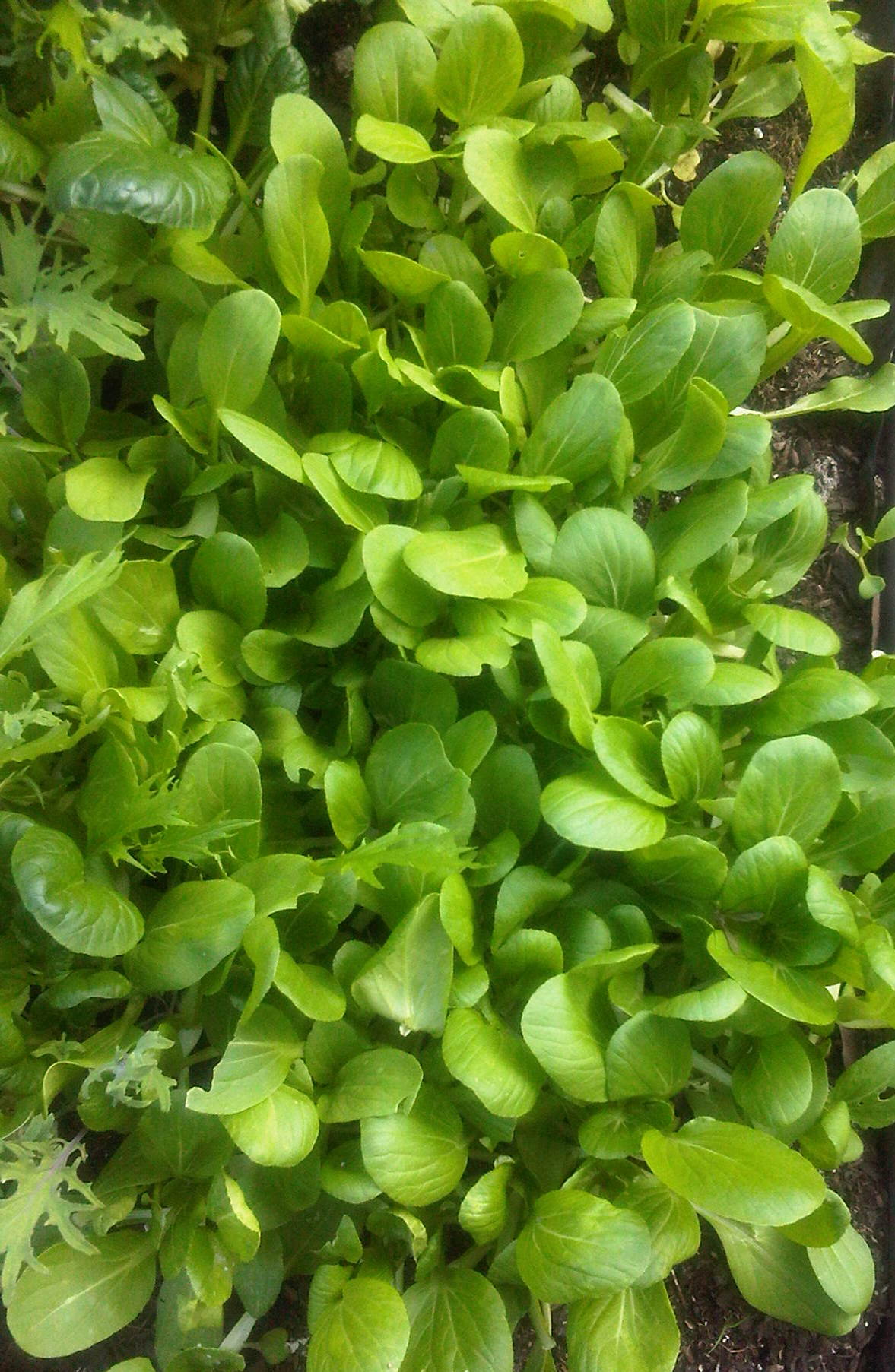
I’ve claimed all his materials – flexible tent poles from our former tent, clothespins and large plastic sheets – to make cloches for two of my garden beds. One has pac choi and several types of lettuce and the other has spinach and kale. Normally kale can survive outside, except that I want to protect the spinach and can’t make the cover any smaller.

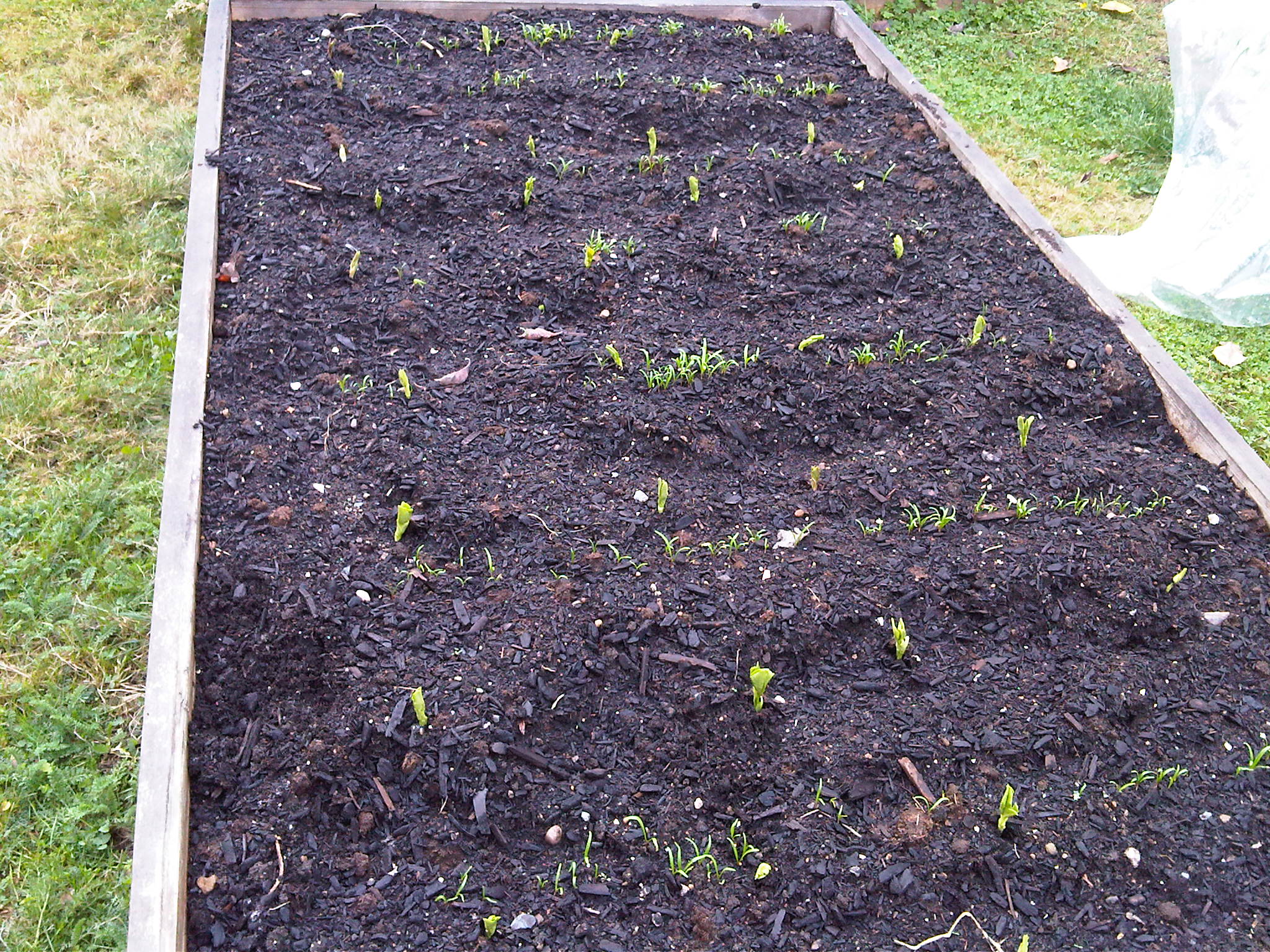
I also have another bed of fava beans and spinach coming up. I am going to be checking these regularly to ensure that they stay warm and dry enough. Just now I went in to pick lettuce, and I noticed a definite difference in temperature between the inside and the outside air…we will see how things progress in the next few months.

Fava beans and spinach

Baby spinach and kale will keep the slugs fed all winter.

Posted in Uncategorized | Leave a comment

Cheese Gardens

Despite the rain, this has been a busy several weeks in the garden. My assistants have been raking leaves, I have been weeding and cutting back some of the dying foliage, as well as planting lots of bulbs and other spring flowers.

One of my friends once described someone’s display of orange blooms as a “cheese garden”. Well, I guess this makes me a cheese gardener, because I almost always select the orange tulips when given a choice, and next spring my garden will display an array of orange hues. Actually, I also planted a lot of pale pink tulips this year as well, which I do think will go together with the orange flowers.

In addition to the bulbs I planted two weeks ago in the front, I planted 12 “Praestans Shogun” botanical tulips in the bed with the rhododendrons (see below). Since they are naturalizing, I have high hopes that they will become established in that area. The rest of the bulbs I planted in containers – “Pineapple Express”, “Mango Charm”, “El Nino” and “Angelique” tulips, with “Gypsy Queen” hyacinths – because they never do well a second year in the soil so I will throw them out after they bloom.  I mixed lots of bone meal into the soil to fertilize and covered the containers with wire to deter the squirrels.

As a side note, I have dug up a lot of acorns lately, which tells me the rodents have been active in my garden. Boo.

The only bulbs that I have left to plant are several types of snowdrops (all naturalizing) and blue poppies which are also naturalizing. I am not sure where I am going to plant these yet, but this will likely be in some of the empty areas in the front.

Next: Winter gardening.

Posted in Uncategorized | Tagged , | 2 Comments

Green tomatoes….

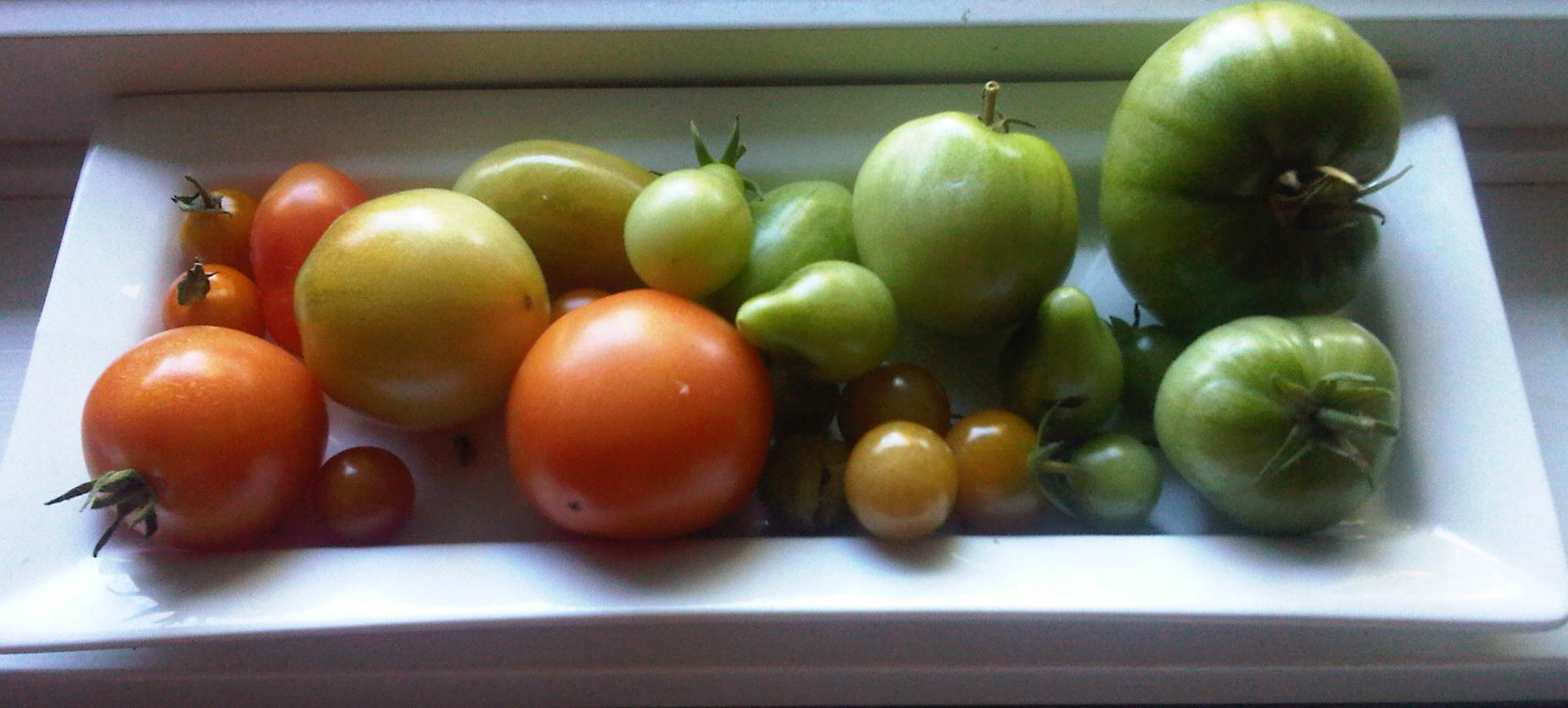
My remaining tomatoes have been harvested and are sitting on a windowsill to ripen. Tomato production was disappointing this year; even with lots of heat, food and water, my plants produced very little. At least this was an improvement over last year, where I ended the summer with over a thousand green tomatoes that never ripened. Due to a convergence of circumstances, several hundred of these green unripe tomatoes rolled down the driveway and into the street and I had to gather all the tomatoes lined up along the curve and squished on the street. But anyway, later today I plan to pull up the plants (messy business) and replant the containers with bulbs.

BC Living has published a post on starting your garden waste compost, with a picture of my compost bin. Check it out: http://www.bcliving.ca/garden/starting-a-garden-waste-compost

Next: Cheese gardening

Posted in Uncategorized | Tagged , | Leave a comment

Lemons!

Lemons in their natural habitat

The bleak Vancouver fall weather has now arrived. The rain itself is not unwelcome as the plants and trees were all desperate for moisture, but the grey skies are already bumming me out and it has only been raining for four days so far. This sudden absence of sun must be the reason I keep focusing on the next brightest thing around: lemons.

The picture above was taken on a June 2010 trip to Spain. We spent a lot of time driving through the countryside, and passed many abandoned farms with orchards of overripe fruit. Many of the fruit trees were located right beside the road and I was surprised that no one had stopped their car and helped themselves. There must be so many orange and lemon trees in that part of Spain, that no one bothers to steal any. The tree pictured above was a tree from a roadside orchard.

Earlier in the week I visited mi amigos in Nanaimo and made lemon curd, as well as apple butter, rhubarb mustard, plum chutney, strawberry jam and apricot jam.  The recipes for the lemon curd, the apple butter and rhubarb mustard all came from Plum Gorgeous, a book that I have mentioned previously.

As soon as I arrived home from my canning trip, I made flourless almond-lemon cake to serve under the lemon curd (first jar consumed!). This morning, the man made fabulous whole-wheat lemon scones for breakfast which were also served with lemon curd (second jar gone!). As a result, I now have a total of nine naked and zestless lemons in my fridge, so I will probably use that to make a batch of preserved lemons, another great recipe from Plum Gorgeous.

While I was in Nanaimo I transplanted the yellow lilies and some strawberries from my garden into my friends’ garden. I felt like I was a dog owner for a day, as their pack of small dogs followed me around the whole time, and as soon as I finished planting the strawberry plants, one of the dogs went down the row of plants and ate all the berries. My friends have the same amount of actual garden space as I do, but theirs seems more productive. I noticed that they had planted their plants much further apart than I do, and as a result had managed to have huge kale trees. I checked their kale for aphids (which is kind of like secretly checking other peoples kids for head lice).

This fall I am going to try to start a lemon tree from organic lemon seeds. Right now I have both “regular” and Mayer lemons in my fridge, so will try to sprout both. I just remembered that I have a friend with an office and an apartment full of enormous exotic fruit trees, so will ask him for some lemon growing advice…

Posted in Uncategorized | Tagged , , | Leave a comment

Huge Gardening Week

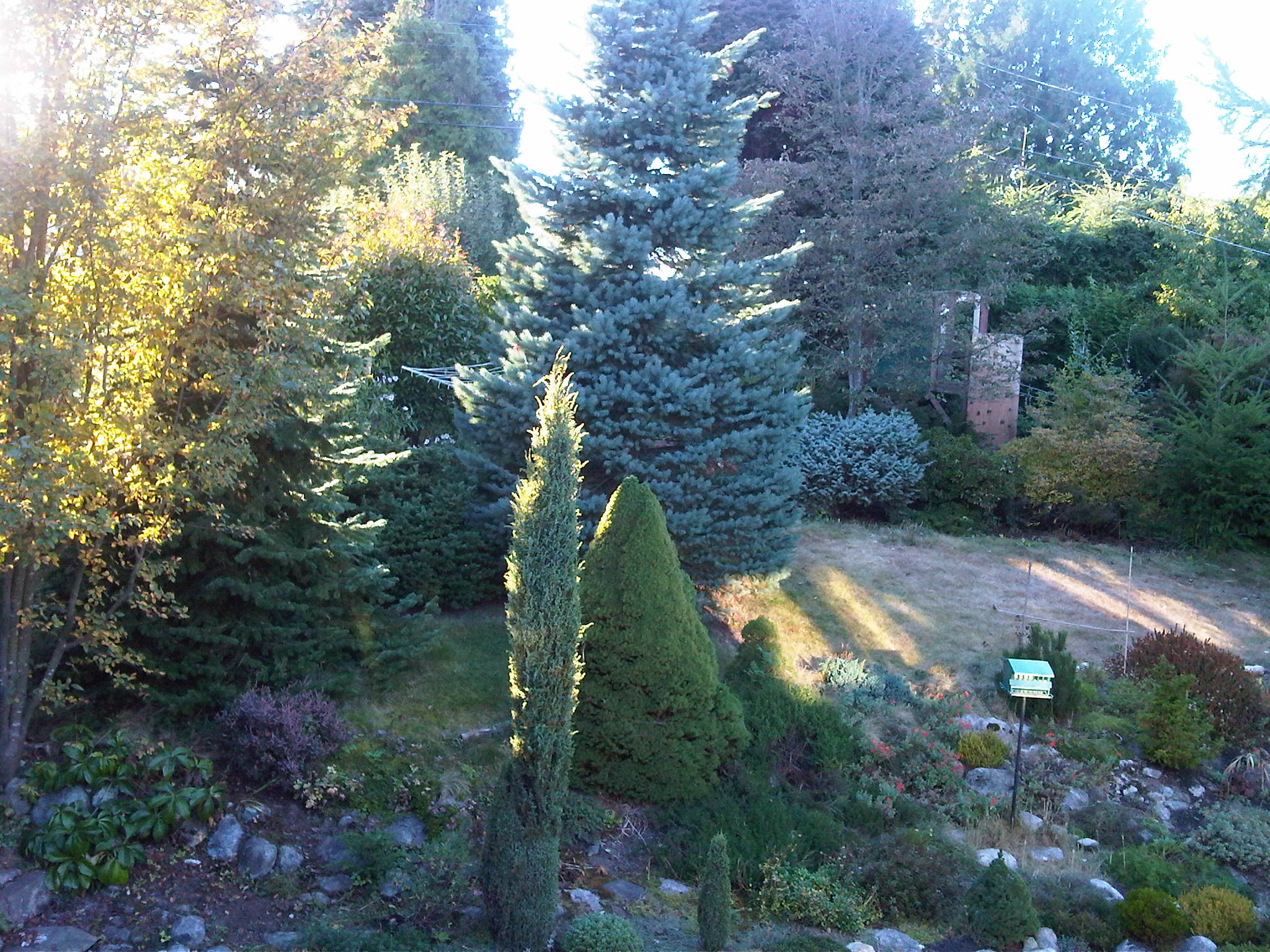
Late afternoon sun in the back yard

Is it just me? Or is fall always the busiest time of year in the garden? This week has been busy – I have been cutting back more dying plants, transplanting lilies and peonies, planting winter crops, adding lime to the soil, giving my driveway a make-over and planting bulbs. Oh yes….and introducing my new secret weapon: the sonic spike.

Highlights:

(1) Winter planting. I planted box A with four rows of fava beans (planted deep), then added lime to the soil and planted several rows of spinach (i cm deep). I know that last year I decided that this type of “underplanting” is for the experts, but I thought I would do it anyway.

Later this week I am going to plant the other  empty bed with favas again, as it is unlikely that I am going to put in a greenhouse this year.

(2) Sonic Spikes. My sonic spikes arrived. Unfortunately, only three of them work (grrrr) so I need to send one back for replacement. Every 15 seconds they send out a sonic pulse which irritates moles and gophers. In truth, the pulse is audible to humans even when fully buried, and is quite irritating. The morning after I installed the spikes, there were two more mole holes in the boulevard, so I moved the sonic spikes closer to the front of the property.

(3) Moving peonies. Finally, I moved the pink peony from the back and transplanted it in three places in the front yard. I didn’t intend to split the peony, but I did a horrible job of digging it up. Hopefully at least one will survive.

(4) Transplanting day lilies. Also in the “finally” category…I dug up the day lilies from the back, split the roots and planted twelve separate root clusters in the front.

(5) Bulbs. I planted a number of bulbs in the front bed, in clusters. I planted a total of 30 “orange monarch” crocus, which are supposed to bloom in January – March and are naturalizing. Below them I planted 12 “Fur Elise” Greigii tulips (whatever that means) which bloom in March-April, as well as 12 “Mango Charm” Triumph Tulips which bllom in April-May. I also saved several packages of tulips and hyacinths for containers.

(6) The fall growing season. This long and sunny fall has been great for extending crops like lettuce, spinach, beans and raspberries. Every few days I have been able to pick about two cups of berries, which have been the best ones of the year. I also notice that the beans are full of flowers, which promises many more beans….

Okay, that is it. More later in the weekend.


Posted in Uncategorized | Tagged , , , , , | Leave a comment

Will the fall greens last into winter?

Pac Choi

I started my winter garden in August and am now wondering if that was perhapsa little too early. The carrots and kale are up and the lettuce, spinach and pac choi are thriving. Almost every day we have a salad for dinner.

I need to figure out how much coverage is appropriate for winter, and when I need to put the cover on. The husband has an enviable cloche set up at the back of the yard to cover his beloved wooden boat while he strips and varnishes it. I have been trying to determine when he is going to be finished with the boat so that I can re-purpose the cloche, but I somehow don’t think that things will align quite perfectly. Looks like I will have to get more creative with my winter coverage solutions.

Next:

  • Cut back the drying plants such as peonies, gentians and crocosmia.
  • Start to weed the rock garden and pull up some of the plants, like the spring vetch, which has moved itself half way across the yard.
  • Border patrol to remove all the invasive ivy and morning glory vines.
  • Call the tree guy to trim that out-of-control willow or whatever it is in the front.
  • Find a source of garlic for planting.
  • Plant winter favas (today!)
Posted in Uncategorized | Leave a comment

Purple carrots behaving badly: Fifty Shades of Grey Soup

Yeah..fifty shades of grey in one bowl.

Purple carrots have an unexpected dark side.

Earlier this week I harvested the last of my fingerling and purple haze carrots as well as my four mutant parsnips. I roasted the vegetables with olive oil, intending to serve them with dinner, but when I first pulled them out of the oven, many of the carrots appeared to be burnt. Closer examination revealed that the pigment in the purple carrots had turned black, but the rest of the carrots and parsnips were perfect. Still, they looked unappealing.

Grab your blindfold….and spoon 

Instead, of serving the vegetables for dinner, I chopped them up, tossed them into some really tasty chicken stock, and added thyme and leftover turkey breast. After simmering, I cooled the soup and let it rest in the fridge overnight. Just now I went to heat up some for lunch and was shocked to find everything tinted purplish grey. Grey carrots, grey parsnips, grey turkey and deep purple/grey broth. Looked awful, but tasted great: food to eat with your eyes closed.

Posted in Uncategorized | Leave a comment

First Zucchini Ever!

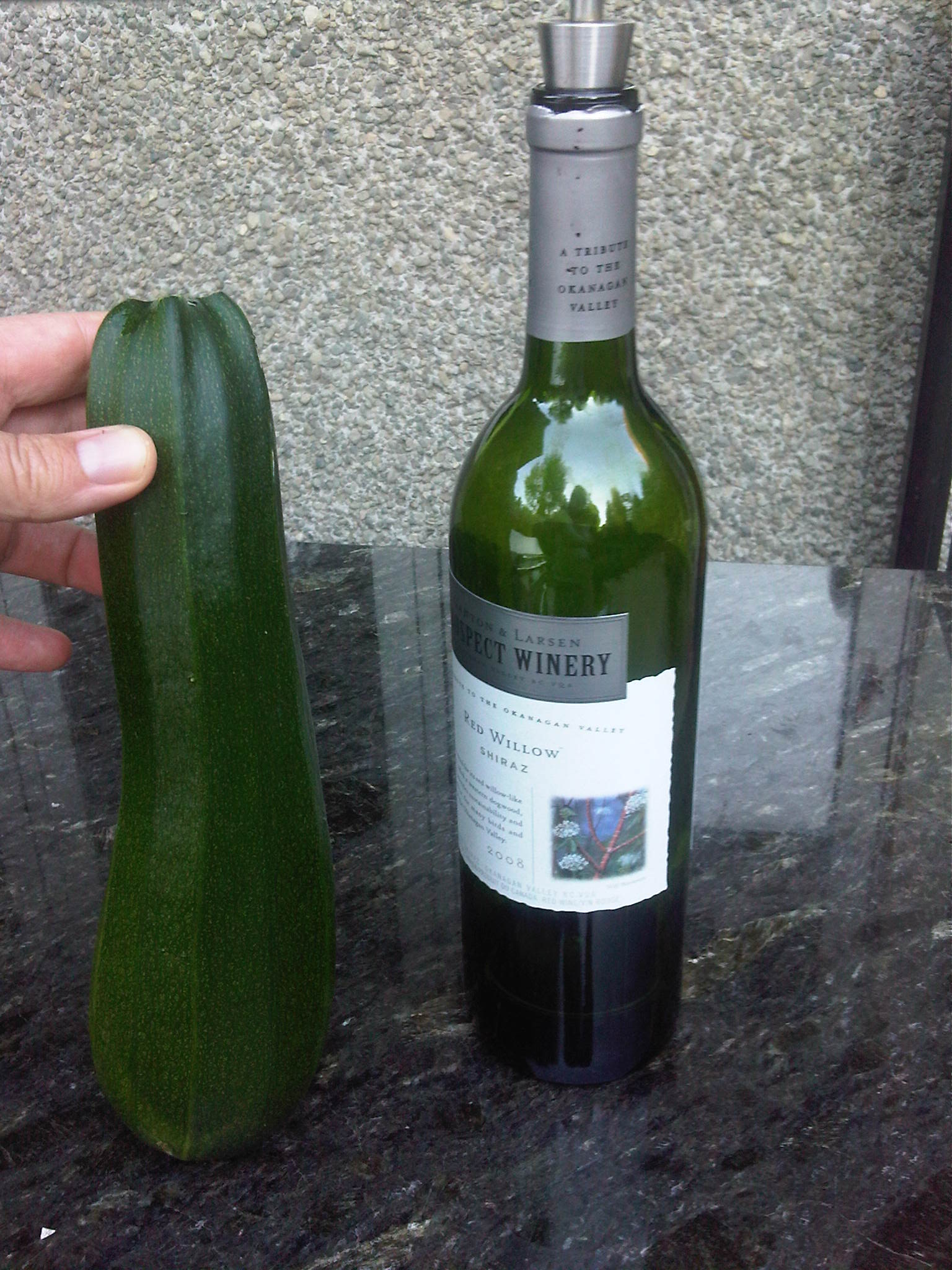
Our first zucchini next to the International Standard of Measurement.

This summer has featured a number of garden growing “firsts” for me, including first cucumber, first fava bean and now, my first zucchini. (That would be “calabacín” in Spanish). When originally tried to start the zucchinis indoors in late May, none of the seeds germinated. Thinking they were in some way inferior, I dumped the rest of the pack into a trough and ended up with an overcrowded patch of zucchini plants (oops) which have been crowding out the cilantro, dill and carrots every since.  I am quite proud of the fact that I managed to resist harvesting this bad boy when he was still just a cute miniature vegetable, and waited until he reached peak maturity.

(In case you are wondering, the zucchini added a fresh textural element to chicken burritos).

In other notes, my fall raspberries are FANTASTIC! Huge and sweet!

Posted in Uncategorized | Tagged | 3 Comments

Quote of the year

A quote from Dee Dee Taylor Eustace in the Saturday Globe & Mail:

think of weeds as wrinkles; you have earned them and they fought to be there

She’s not offering gardening advice, and the quote is a little out of context, but when I read it, I exploded with laughter and coffee sprayed everywhere. I can easily ignore wrinkles, but never weeds: the harder they fight to stay in my garden, the more extreme my weed-fighting methods become.

The advice that Dee Dee was offering was actually about gravel driveways and is worth reading. Here is the link to the post: http://www.theglobeandmail.com/life/home-and-garden/decor/my-gravel-driveway-needs-a-reno-whats-my-best-option/article4552217/.

Posted in Uncategorized | Leave a comment