Cheers to borage

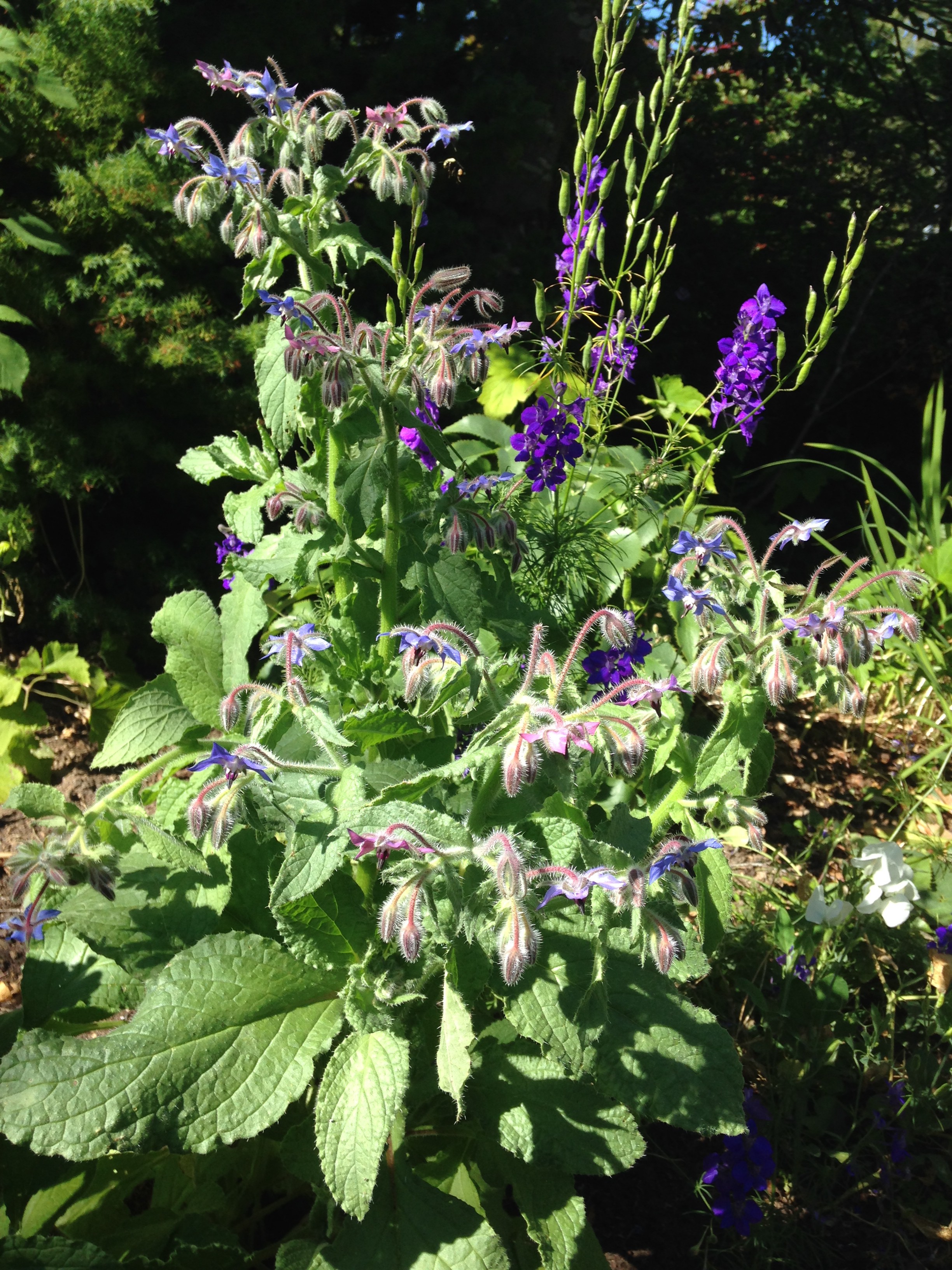
borage plant

Borage in the centre foreground, delphinium in the back.

This  year I planted borage because it is apparently a bee favorite.  I planted it in May from seeds and am very pleasantly surprised how large and robust the plant is. The flowers are edible and apparently the “cucumber flavoured” leaves can be used in salads, if you don’t mind the fuzziness (i do).

It only started blooming in the last couple of days, which is a shame because I had great plans for freezing the blossoms in ice cubes for Vesna’s birthday drinks. borage

gin&Tonic

Late afternoon G&T with borage blossoms in the ice cubes.

Maybe it is just as well that the borage didn’t bloom in time. Although it looks fabulous in iced tea or gin & tonic, drinking one of the flowers is a bit slimey and unexpected. Would I do this again? Yes. BUT, would warn guests to drink very fast before the ice melts and the flower is released…

Posted in Uncategorized | Leave a comment

Lettuce Lattice: on the wish list for 2015

We did not  have a great lettuce year this year. Despite frequent watering and good soil, lettuce sprouted and then took forever to grow. So, here is what we are doing for next year:


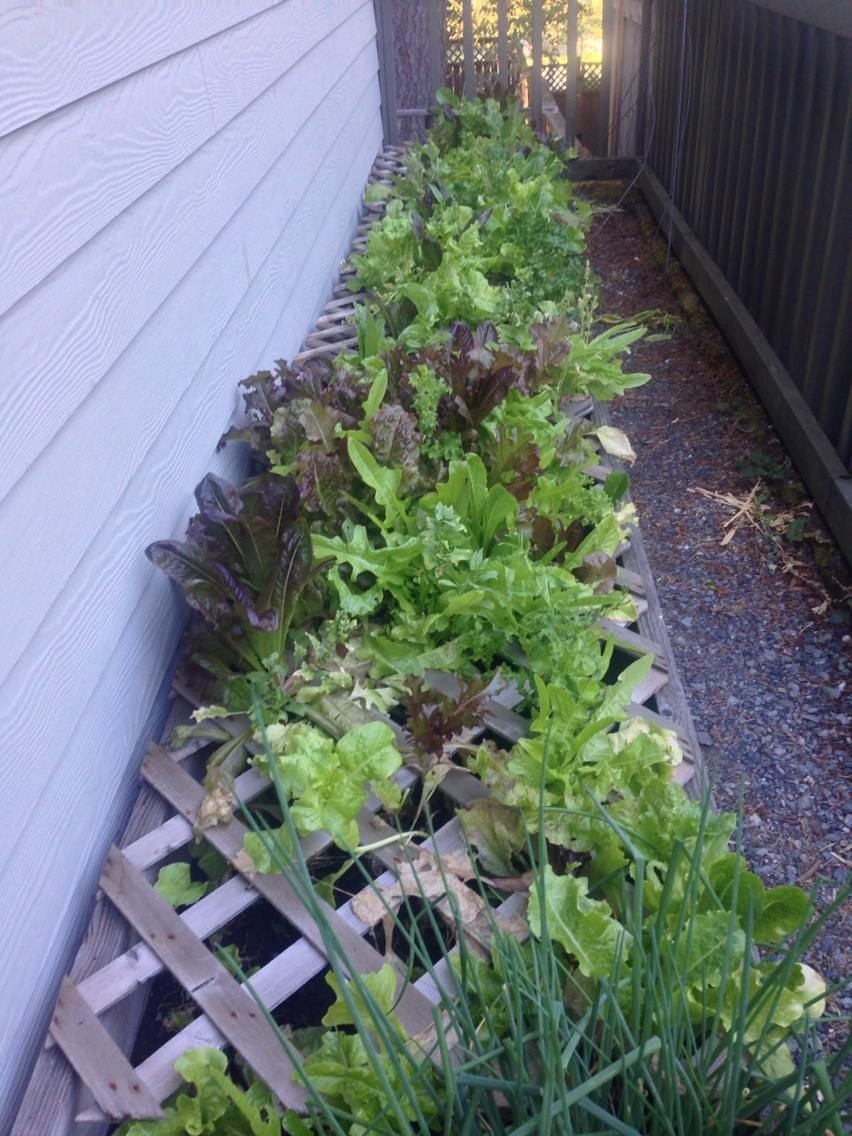
Dave's latticeThis picture and FB post were from Dave Lockyer who lives in Sooke.

“Ok, it’s getting ridiculous, putting the lattice in place to keep the cats out has turned into a huge benefit. The lattice shades the lettuce roots, keeps the moisture in and creates a frame for the delicate plants. We must have reaped 3 times the lettuce and no end in sight! Just thought some of you oreganos should know.”

If I was a little more facebooky I would have just forwarded it through that medium. But I lose track of FB posts and ideas that I want to keep.

Big thanks to Kathy for sending this and big thanks to Dave for giving me permission to post this!!!


Posted in Uncategorized | 3 Comments

Zucchini Days of Summer

filetThe last week has been unrelentingly hot and so I’ve spent lots of time in the garden watering and picking. Filet beans (above) and apples are ripening, and every day there are several new zucchini. I am sticking to my resolution to “harvest early, harvest small”, and I am trying to consume things on the day they are picked.

Usually we like to barbeque thinly sliced zucchini, but decided to get out of the zucchini rut and try some new recipes.

(1) Zucchini ceviche

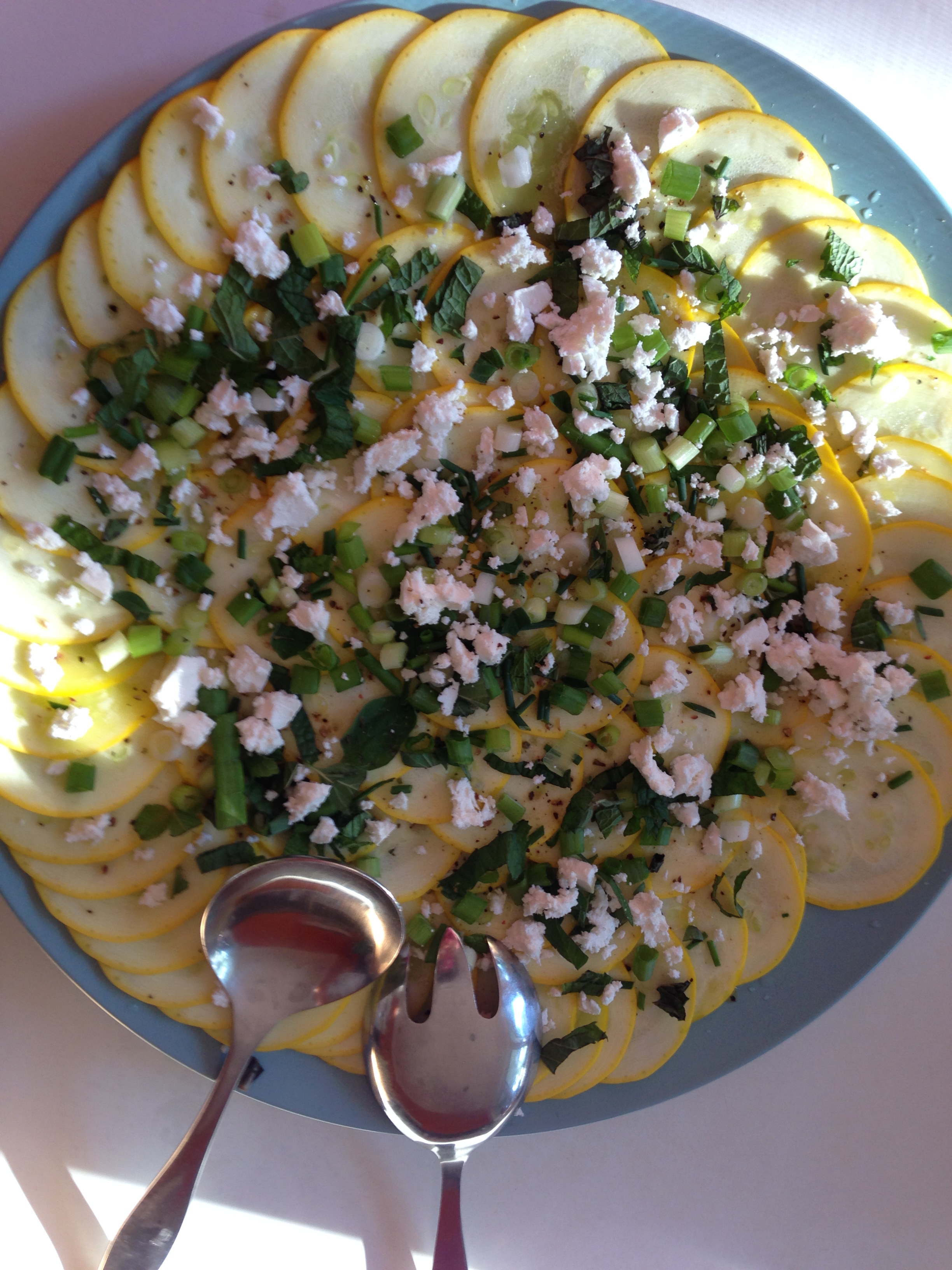
zucchini ceviche

There are many different recipes for this on the internet and they all seem to involve thinly slicing the zucchini, covering with lemon juice and olive oil, sprinkling with salt and pepper and letting the flavours mix in the fridge for a few hours. Before serving, sprinkle with feta and a handful of fresh herbs (mint, parsley, chives, oregano) and serve. This was an easy dish and it presented well. And how can you go wrong with herbs, olive oil and feta? I was expecting a miracle zucchini transformation and at the end of the day, that just didn’t happen. Will I make it again? Unlikely.

(2) Zucchini pasta

zucchini pastaAgain, the internet is full of different recipes for this. I used a mandoline to slice the zucchini and salted it for several  hours in the fridge. Just before serving, I rinsed and drained the zucchini, heated it in the microwave, then drained again before plating. I served it with a very robust putenesca sauce (raw tomatoes, garlic, herbs, capers) and lots of parmesan and it was a huge hit with the rest of the famil.

(3) Zucchini skewers

Okay, so this isn’t a new idea, but this is what is for dinner tonight. Zucchini hidden among the rest of the veggies.

Okay, stay tuned for more summer ideas.

Posted in Uncategorized | 5 Comments

Fat raccoons and fava beans

This morning was cool and overcast so our family sat inside reading the paper. My son pointed out a fat mother raccoon and her three very fat babies coming down from the back yard. We watched them walking along the side of the house to the front garden, where they stopped and ate the strawberries. They then continued waddling down the front steps and down the sidewalk as though they owned the neighborhood.

This may explain one of my observations this week: a number of the apples hanging in the branches have been chewed almost to the stem. I am used to seeing lots of bites out of the groundfall apples, but I’ve never seen this. The fact that the raccoons (assuming it is them) are eating almost the entire apple makes me feel much better than if they were only taking one or two bites of each. I am going to assume that these same raccoons have also been  taking large bites of the fava bean pods and eating the beans inside.

This has been a very fava-intense week and I have been picking and processing favas every day. Fava beans have a spectrum of maturity, and you can pretty well eat them from the time you can feel distinct beans in the pod to the point when the bean becomes large enough to change the shape of the pod. The first few beans hit medium-maturity two weeks ago and so we have been eating them since. This week the fava plants started to turn black and their leaves fell off. I guess it is a fungus or a blight. Yesterday and today I pulled out all the fava plants very carefully, as they were interspersed with four big potato plants, likely sprouted from the neglected leftovers of last years crop.

One last thing about favas. In his cookbook Plenty, Yotam Ottolenghi says that you can process fava beans (after they are shelled from the pods) by pouring boiling water over them for a minute, and after dropping them in an ice bath you can  squeeze them out of their little bean coats. I have been trying this method, but find that boiling them, for about three to five minutes works better. After they’re squeezed out of their coats, I usually the dark green beans a little further by sauteing them with garlic or other herbs.

One last thing about veggies, forwarded to me by my friend JW:

“For the memo: kale is just hairy spinach. Stop trying to make it happen. Choupette Lagerfled (Karl’s cat):


Posted in Uncategorized | 1 Comment

I want Bunny Mellon’s Garden

A hardy orange tree flanks Oak Spring’s library, designed by Edward Larrabee Barnes.

(Picture from “The Eloquence of Silence”. Credit Charlotte Moss)

I’ve been whining to The Man that our garden is becoming overgrown and messy. Many of the trees branches are growing into each other, are creating too much shade in some areas and are blocking the view in others. Some plants are growing too fast and wild (crocosmia, peas, favas) and then falling over or spreading out and pushing other plants out of the way (hydrangeas). The Man thinks that I have “formal garden envy” and he might be right.

I’ve been admiring photos of the late Rachel (Bunny) Mellon’s gardens. The photo that caught my eye (above) was from an article called  The Eloquence of Silence and is more about her Oak Springs house than the garden. An earlier article published in Vanity Fair, has a slide show with photos of her  enormous gardens. I have included the web addresses below if the links above don’t work. The things I absolutely love the most are the arbour and the trompe l’oeil mural in her garden shed, but all of the garden photos appeal.

The fact that Bunny Mellon had more than 100 staff to help her keep her home and garden immaculate makes me feel a little better about the current state of my home.

Here are the articles – you can click on them or cut and paste them into your browser.

New York Times Magazine: http://tmagazine.blogs.nytimes.com/2014/06/12/rachel-bunny-mellon-final-interview-virginia-estate/?_php=true&_type=blogs&_r=0

Vanity Fair article: http://www.vanityfair.com/style/features/2010/08/bunny-mellon-garden-slide-show-201008_slideshow_item12_13

And if you can’t get enough, here is a website that looks at all her different homes and gardens: http://mylusciouslife.com/a-luscious-life-rachel-bunny-lowe-lambert-mellon/


Posted in Uncategorized | Leave a comment

Hive 82 has a new queen

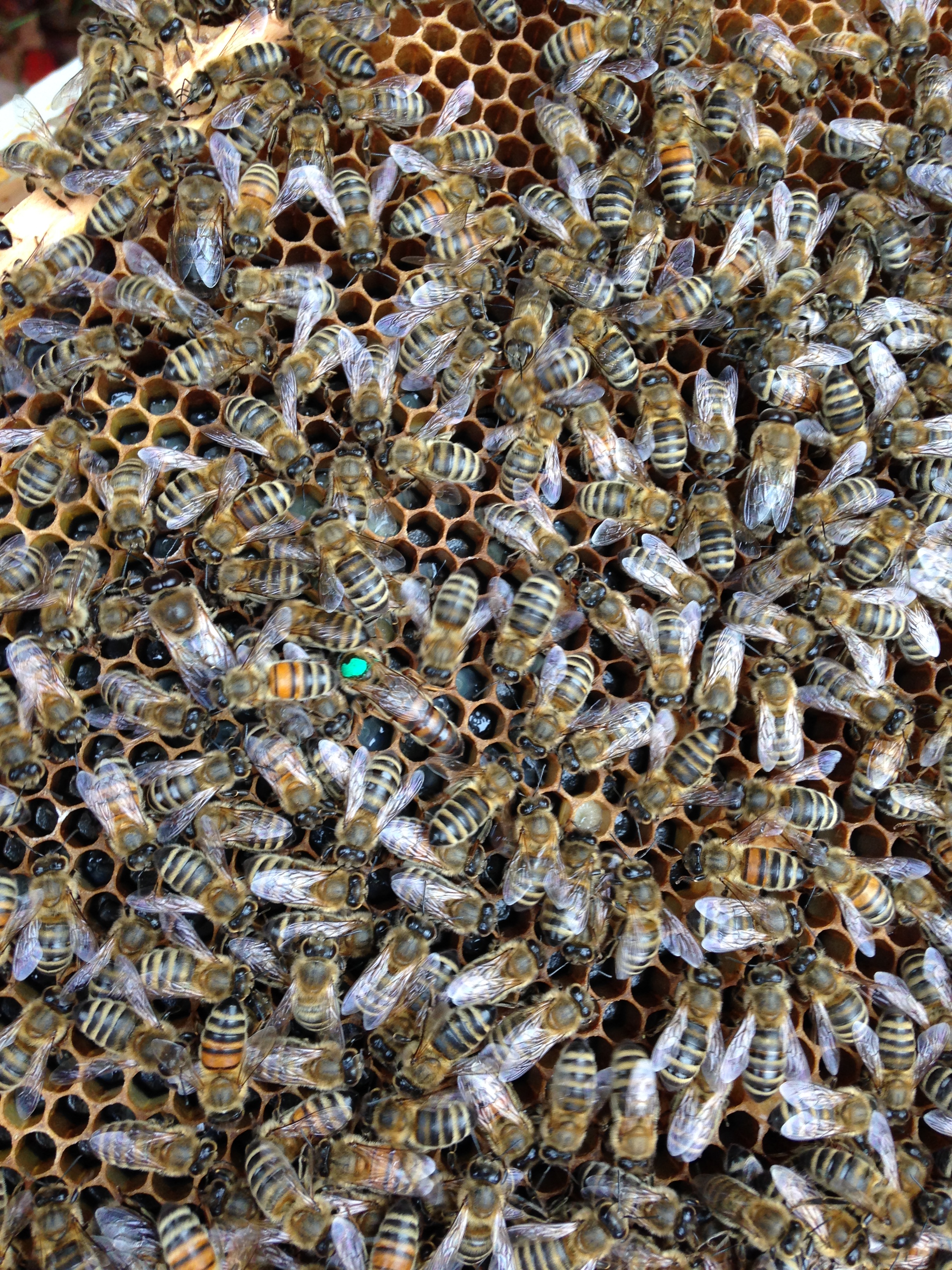
New queen of hive 82: marked with a green dot

New queen of hive 82: marked with a green dot

Bryn came by for a hive visit yesterday. I put on the bee suit and we examined the smaller “B” hive first, frame by frame. Although this hive is very active, we couldn’t see any evidence that there was a queen (no new larvae).

The former queen left hive 82 on June 13. The”B” hive was created by splitting the existing hive because it was still very crowded. We saw several queen cells when we split the hive, but they may have all been in hive 82.  The gestation period for a new queen is 16 days, 5 days to mature and after mating, another 5 days to start producing larvae.  So, it is possible that there is a new queen in the “B” hive who hasn’t started to lay yet.

News from hive 82 was much better. Again, we examined every frame of this hive as well.  The top layer of the hive (which is a half-size hive) is filling with honey. Halfway through the second box we found larvae and the queen! I held the frame, Bryn held down the queen and labelled her with a green dot. You can see the marked queen in the photo above. She is much larger than the rest of the bees, and her abdomen is shaped differently.

Bryn put an “excluder” between the brood box and the honey box. This looks like an oven rack, with metal rods that are too narrow for a queen to pass. This keeps the brood is in the bottom box and honey on the top. Bryn then removed the “B” hive (possibly queenless)  to a new home.  All good!

Apart from that, work in the garden continues. Recent rains mean that there is much weeding to do. I’ve been removing fading blooms and seed pods, pulling up grasses and cutting back branches. I’ve also spent hours picking raspberries and wild strawberries each day. The raspberries are producing more than a liter of berries per day.

Today I intended to get up early and start in the garden, but instead got sidetracked by the newspaper and some other reading, then started to make “The Ultimate Summer Dance Compilation”: 7 hours and 14 minutes (6 CDs). A dubious selection of 109 songs spanning five decades.  Enough procrastination. Time to get outside!!!

Posted in Uncategorized | 1 Comment

There can only be one Queen!

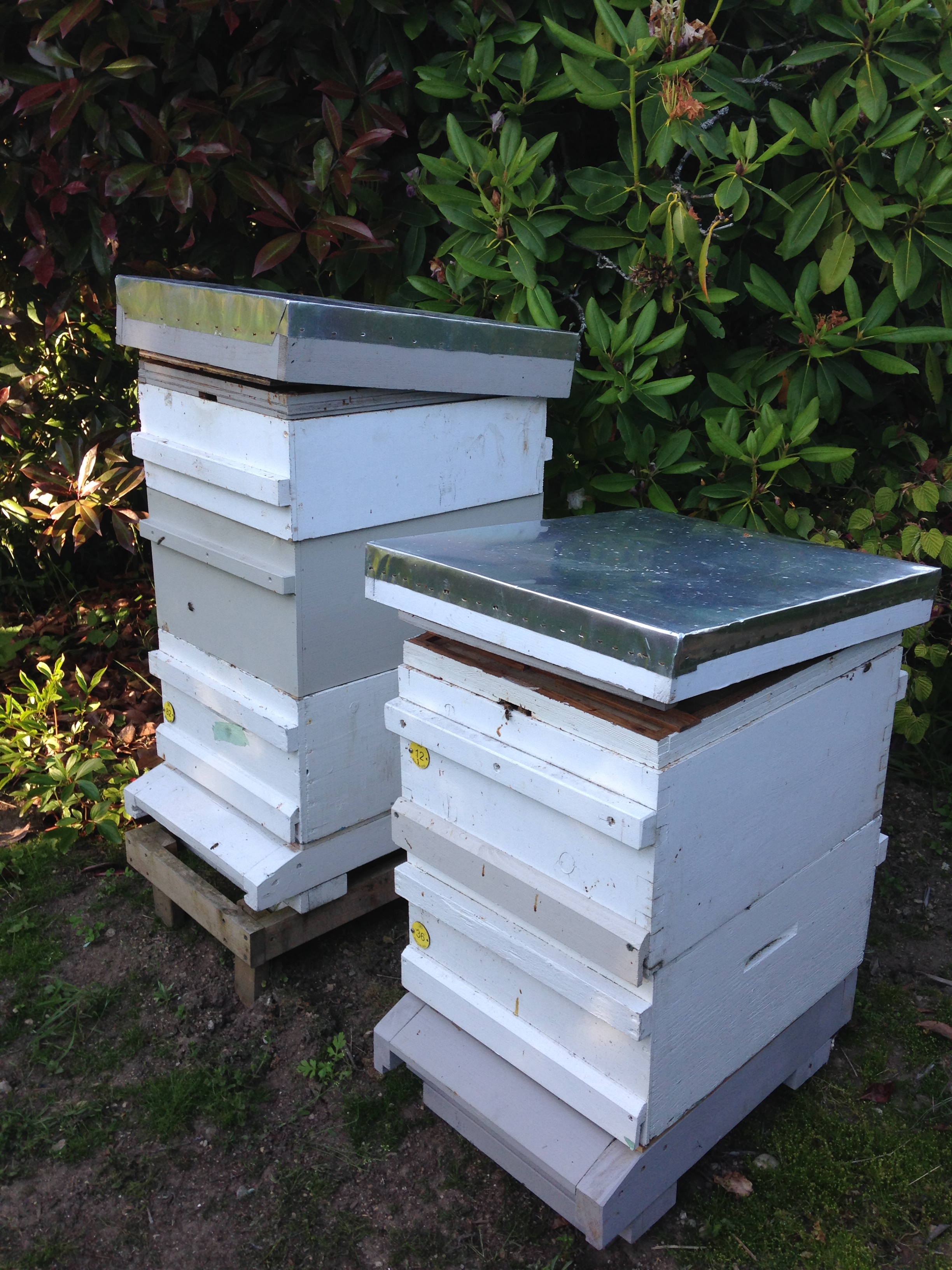
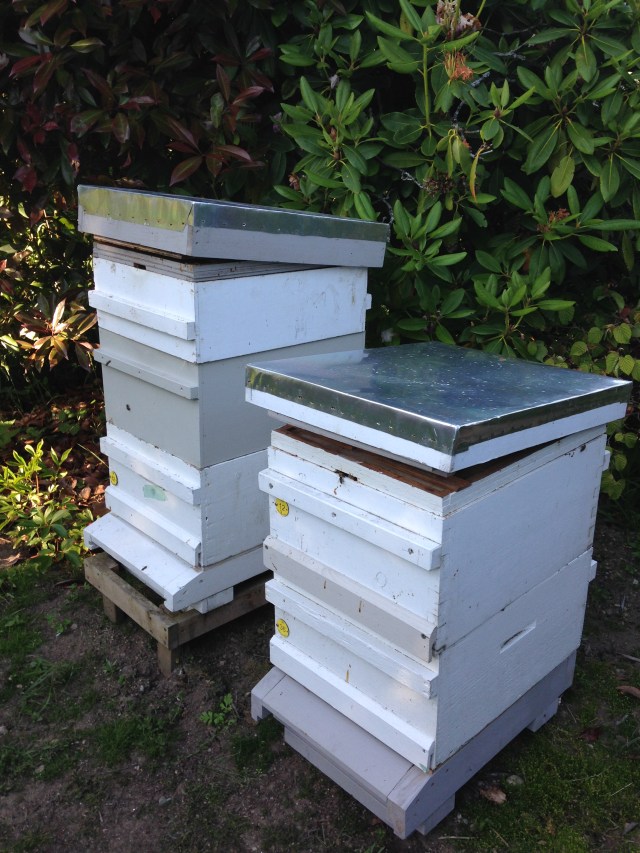
01 two hives

Two hives! Notice how nicely weeded the area is…

The last few weeks have been an eventful time from a bee perspective. I wanted to weed the area around and in front of the hive, so I tried waking up before they became active but was never out early enough. Finally, I went out in the evening, and as it turns out, the bees start to settle down for the night at about 8:30 pm, which gives me lots of time to work before it gets dark.

Beside the hive, I planted the “tres hermanas”, a complimentary combination of corn, squash and beans, which I have blogged about in the past. I made five mounds and planted “black beauty” squash, “fortex” green beans, and “best ever” runner beans (seeds were a Christmas gift from a friend) along with “sweet buns” corn. I have very little faith in the corn (based on past experience) so put a big stick in the middle of each mound for the beans to grab onto. While I was planting, I was crouched right next to the hive and couldn’t hear any buzzing. I put my hands and then my ear against the hive and didn’t hear anything and started to get worried that perhaps something was terribly wrong, that there were no bees.

Turns out that I need not have worried. The bees were just sleeping in preparation for their big journey. The day after I crouched down next to the  hive, the queen left with about half of the bees to find a new home. From inside the house, we saw the bees lift off in a big group and land in one big pulsating ball on a branch in the yard on the corner.  I called Bryn in a panic and he said not to worry:

  1. when the hive is overcrowded, the queen departs with exactly half the hive;
  2. when bees leave the hive to look for a new home, they are fully fed and are very docile;
  3. if bees are leaving en masse, they generally do so at about 11:00 am and will settle by about 1:00 pm;
  4. a new queen will soon be born to replace the departing queen.

I paid my kids $20 each to keep an eye on the bee ball while we waited for Bryn to arrive. One of my friends (who kept bees as a child) asked me to try to capture the bees in a big cardboard box for him. Ha ha…no. In the end the bees left the tree and flew into the big forest one block away, where I hope they found a new home.

Bryn arrived and went to check the hive. He estimated that there were about 20,000 bees remaining, which is still a healthy number. He split the existing hive into two and set up a new hive with components he had in his truck. We didn’t see a new queen yet, but he showed us some of the queen cells where the new queen larvae is developing. Since there can only be one queen, the first to emerge will eat the other queen larvae or fight with the others to the death.

Art and Bryn have started to keep a spreadsheet where they record the outcomes of every visit. They record the health and temperament of the bees, whether the queen was viewed, the brood quality as well as a number of other important criteria. Our hive has been very productive this year, which is why we had so many bees. If we hadn’t seen them leave, we would have never known that half of them were gone.

We’re looking forward to Bryn and Art’s visit next weekend as we want to know if each of the hives has a queen.
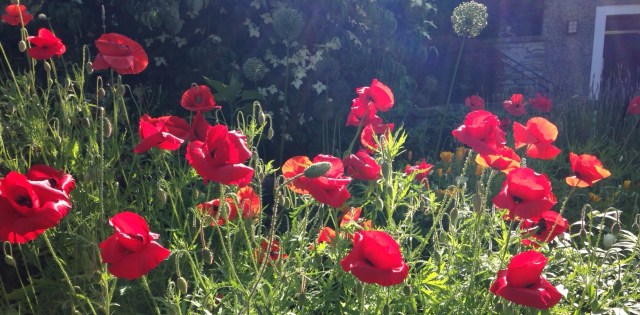
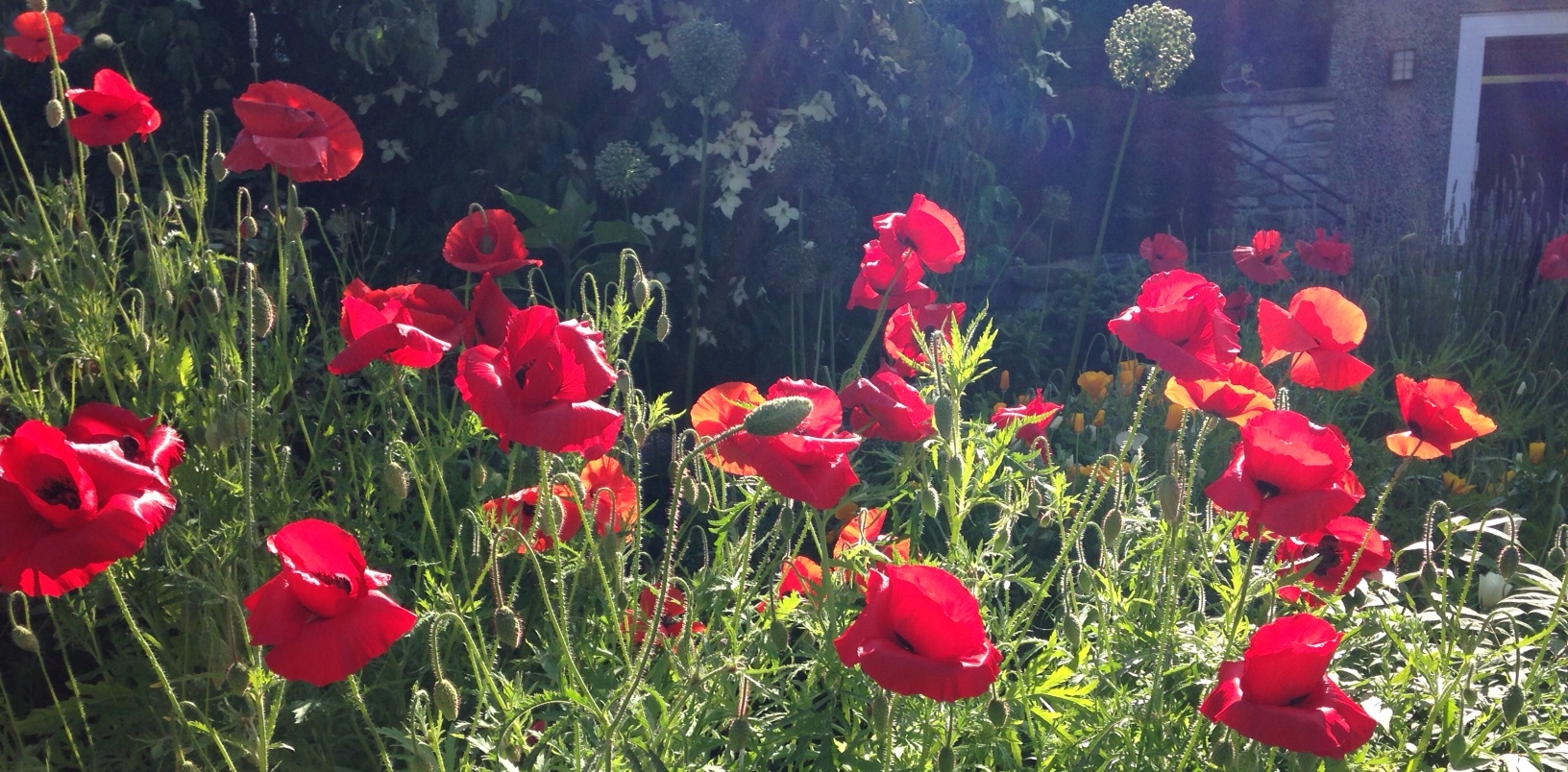
super red poppies

Super-red poppies. Also a seed gift from my friend’s garden.


Posted in Uncategorized | Leave a comment

Planting (and eating) update

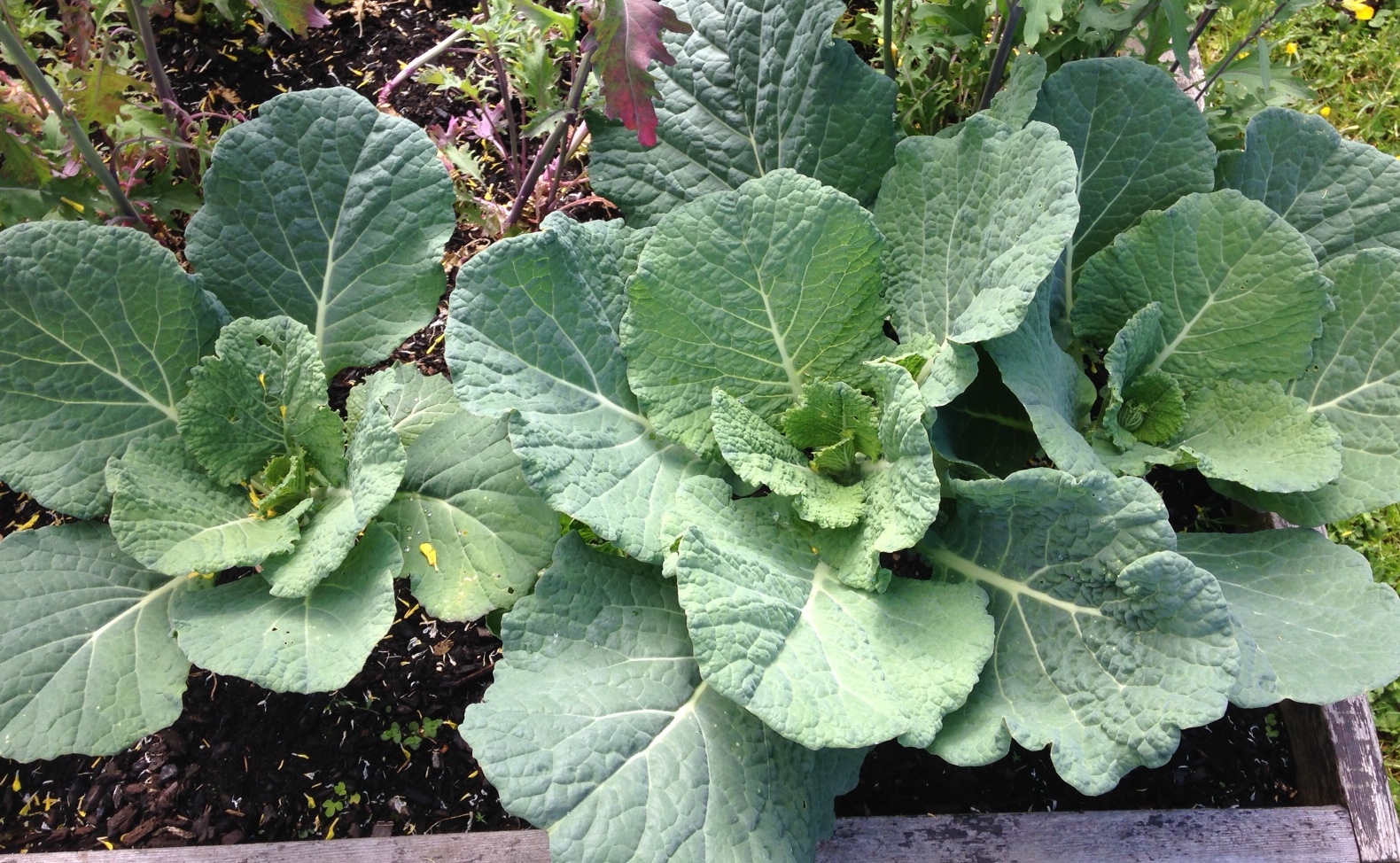
Savoy cabbage

Savoy cabbage – these are supposed to be dense heads.

This year I’ve been trying to keep things under control by harvesting vegetables early. When they are small. This strategy has been working well, and as a result we’ve been eating at least one thing from the garden every day: lettuce, arugula, kale, chard, cilantro or cabbage. Cabbage is the unexpected winner this year, and we’ve been eating it two or three meals a week for the last three weeks. I’ve been harvesting the largest leaves, then within a week they’ve grown back. This is the cabbage I mentioned a few blog posts ago that was supposed to produce dense heads; this works just as well for us.

Arugula has also grown well and almost every day I have an arugula salad for lunch, or I pile it in sandwiches, or try to hide it under tomatoes and bocconcini. Arugula is what The Man describes as “too much of a good thing” and he has requested that we “dilute it down” a little. The arugula is starting to bolt and the leaves are getting bitter, so I have been pulling up entire plants at once rather than selectively harvesting leaves.

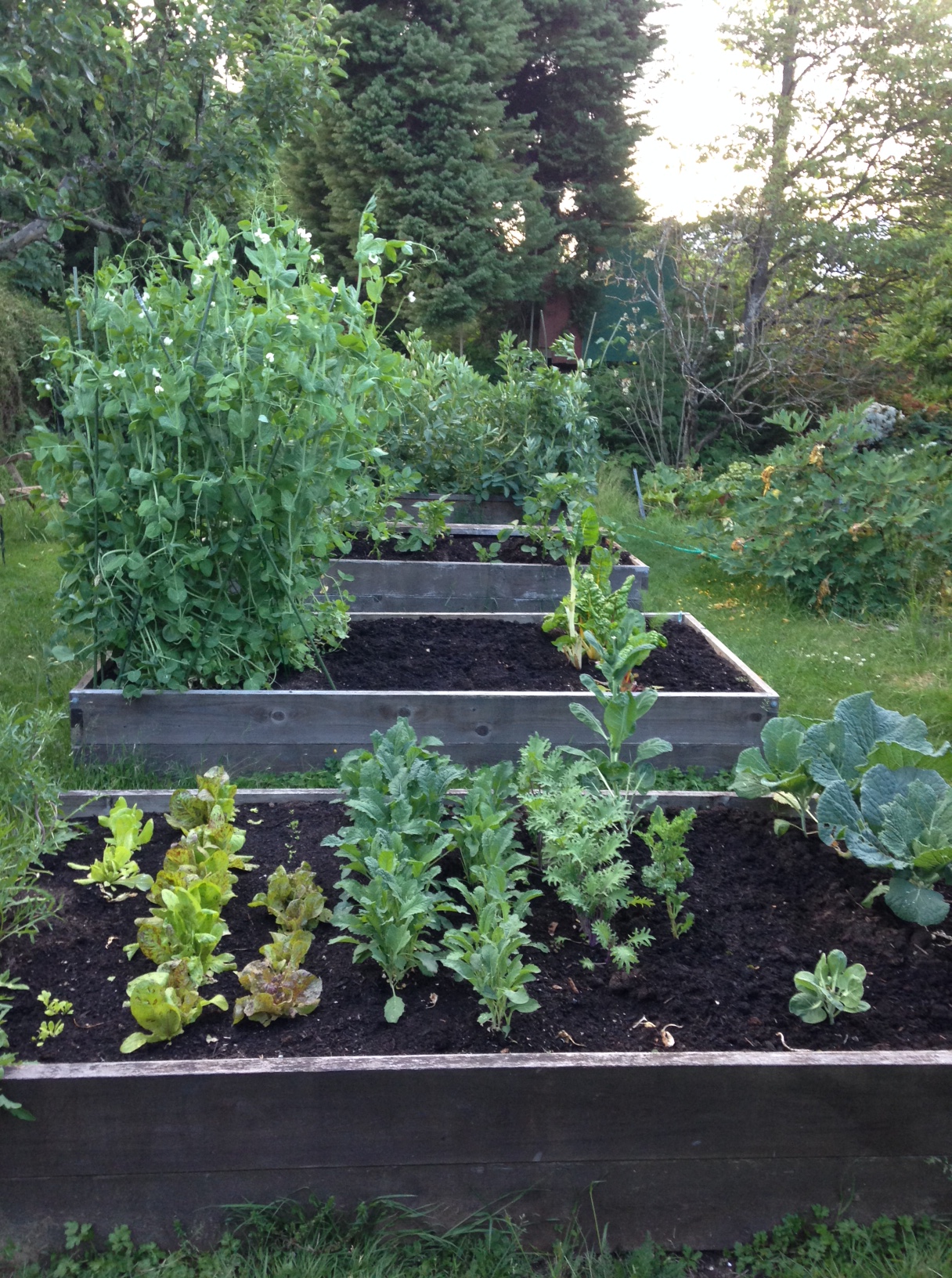
The other thing I am learning this year is “you don’t have to sow all your seeds at once”.  My greenest-thumbed friend wrote about Starting Peas (http://partygreen.ca/2014/05/07/starting-peas/)and I had an “Ah ha” moment. I realized that I should have done the same thing – planted one row at a time  to extend the harvest. Check out my peas (Alderman variety) left of centre in the picture below, which are now all crowded together and have started to fall over. The same thing happened with the cilantro; it sprouted, grew like crazy, peaked and started to go to seed at once, and was harvested last weekend for pesto. No more fresh cilantro in the garden now (but lots in the freezer).

01 rows

This picture was taken last week, and already things have changed: the cucumbers, pumpkin, squash and fennel have sprouted, filling in all the empty spaces.

Most of the seeds I planted in the last two weeks are thriving, others are not. I planted lettuce and basil over two weeks ago, and they sprouted within a few days, and then stopped growing. I mean it – the basil sprouts are still less than a cm tall and the lettuce hasn’t grown at all. On the other hand, everything I planted a week and a half ago is already sprouted and growing strong: I planted four giant winter pumpkin seeds  in the same bed as the cabbage, and planted too many sweet slice and natural pickling cucumber seeds beside the peas. Beside the chard I planted gold rush zucchini and a row of Florence fennel. This last weekend I added a few more rows of basil and freckles lettuce in the last few empty spaces.

Borage and echinacea (cheyenne spirit mix) were planted last week under the lilacs and with the sweet peas. One of them has already sprouted. Will find out soon which one that was….

Posted in Uncategorized | 3 Comments

Getting ready for drinks in the garden

01evening garden

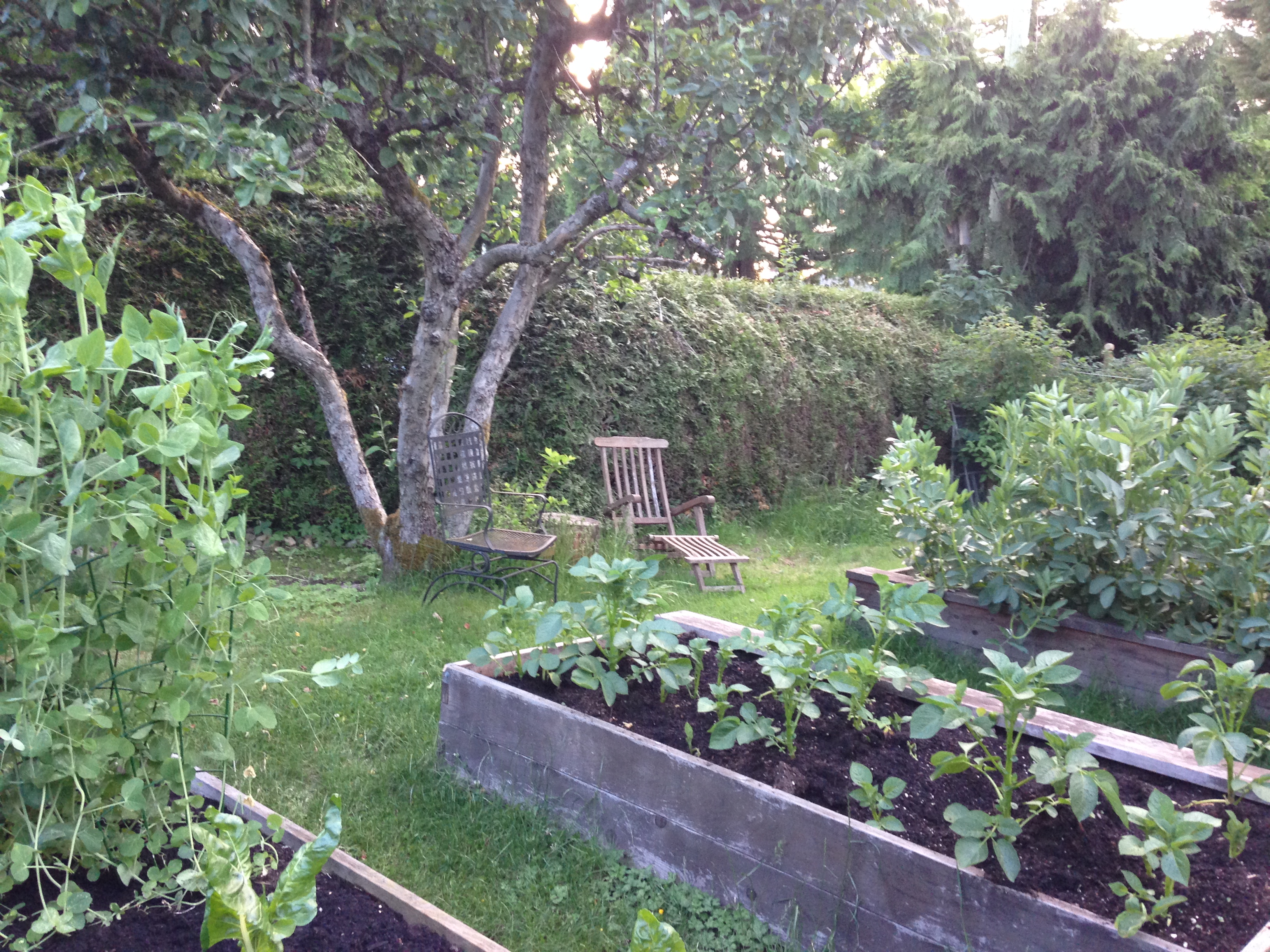
View towards the apple tree.

This time of year the garden is magical. Not only is everything blooming, but the summer foliage has changed the feeling of space; pathways are narrow corridors opening unexpectedly into green rooms. The evenings are the best, when the sunlight is filtered through the branches of the apple tree and The Man and I sit with a drink and watch the bees.

This is also the time of year when I try to reciprocate friends’ generosity and make good on invitations issued throughout the winter. “Garden season” officially kicked off last weekend with mimosas on the back deck with a friend and his three tall and gorgeous daughters. In the next month I am looking forward to hosting different constellations of people: dear friends and their sisters, friends with charming small children, a client who has listened to me brag about my garden all year long, a large group of relatively new friends, my favorite neighbor, and last but not least, the Minor Natural Disasters Koffee Klub.

I’ve been working hard to make the garden as neat and orderly as possible. Let me rephrase that: I’ve been working hard to make PARTS of the garden as neat and orderly as possible. Many areas have become completely overgrown with weeds and grasses and I simply don’t have the time to get all of it cleaned up. Other sections are in transition, and I am letting them “grow out” while we make a decision on what to cut (sounds like my hair). I’ve cleared the walkways and have removed any branches that could unexpectedly poke a small child in the eye, and have mowed an area in the back so that we can move a table up there when it gets really warm.

I am trying to spend a few hours each day  weeding and pruning. There are going to be some very hard decisions to be made at the end of this summer, as some of the larger trees are starting to block out the light, and are starting to interfere with power lines. For now though, I am enjoying the garden as much as possible and am having fun sharing it with friends.

Posted in Uncategorized | 3 Comments

Pictures of Italian courtyards

photo 4 (12)

Courtyard in Pisa.

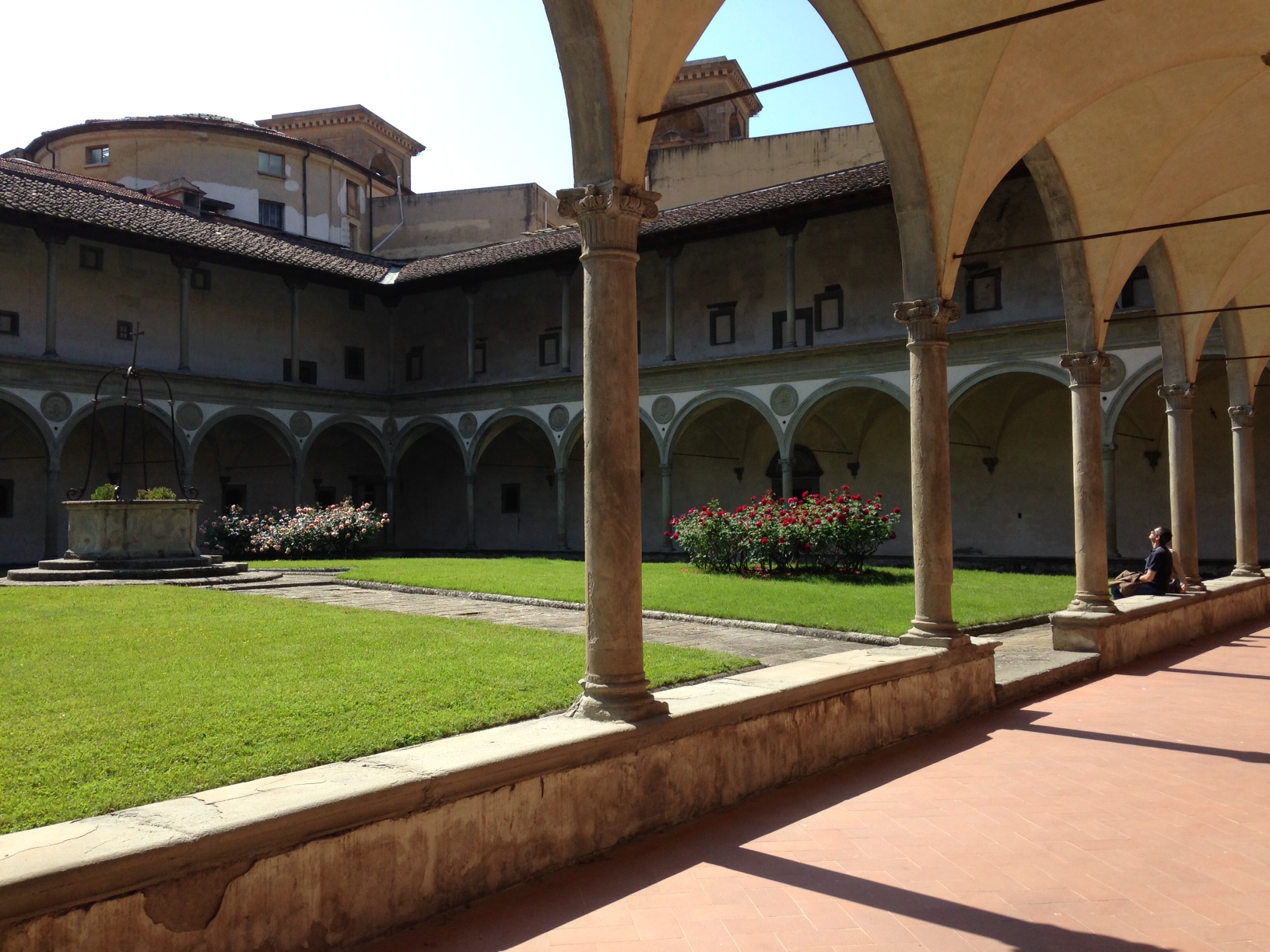
Most of the churches and public buildings we visited in Italy had large courtyards. Some had fountains or wishing wells, many had containers and flowers, a few had tress, but some just had grass. It seems that many were designed to be as low maintenance as possible, and I wondered if they originally contained vegetable gardens or more ornate plantings. Here are photos of the ones I liked best.

IMG_1385

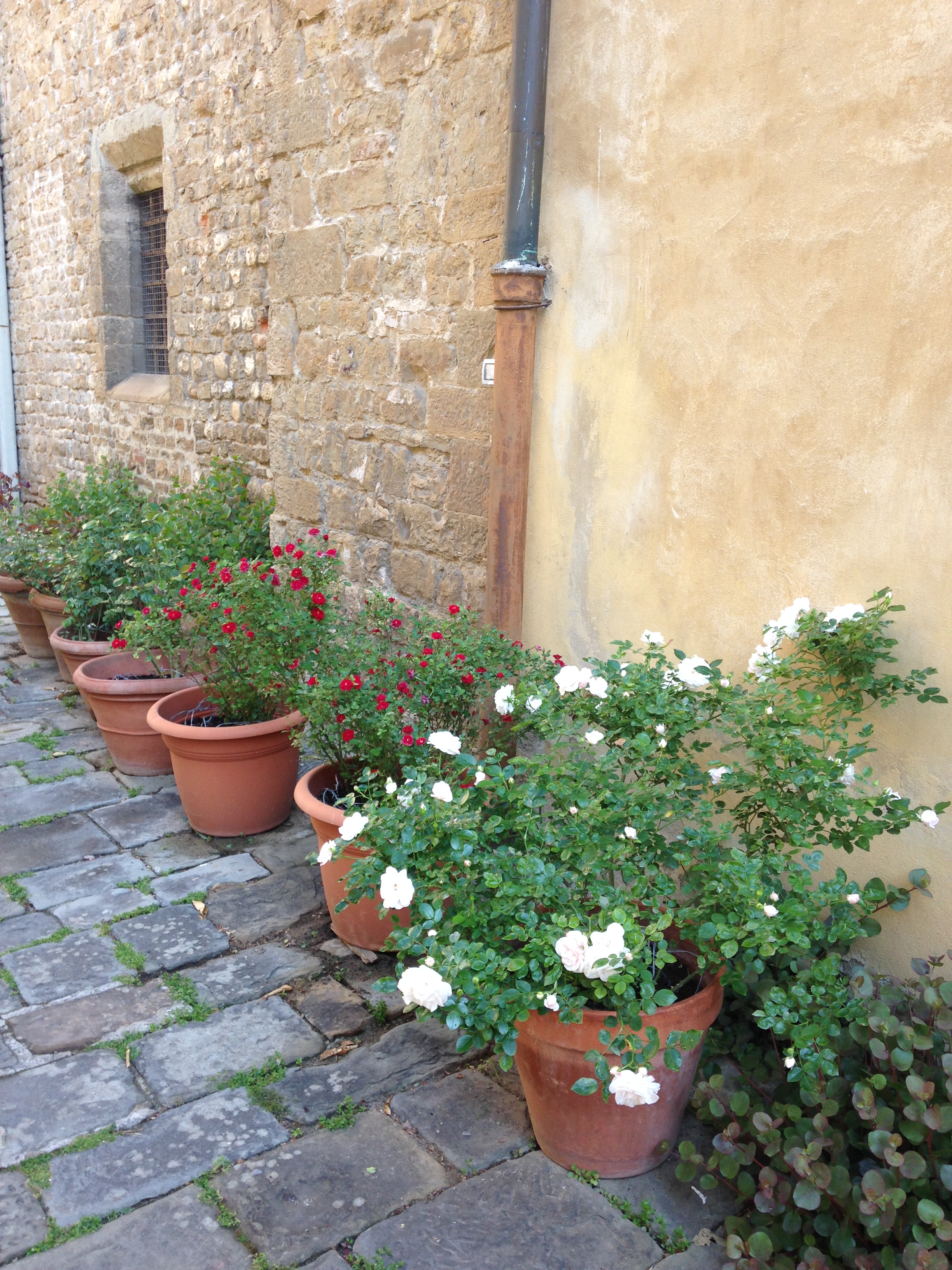
Courtyard roses in Florence. I like how the grass is growing between the stones.

IMG_1394

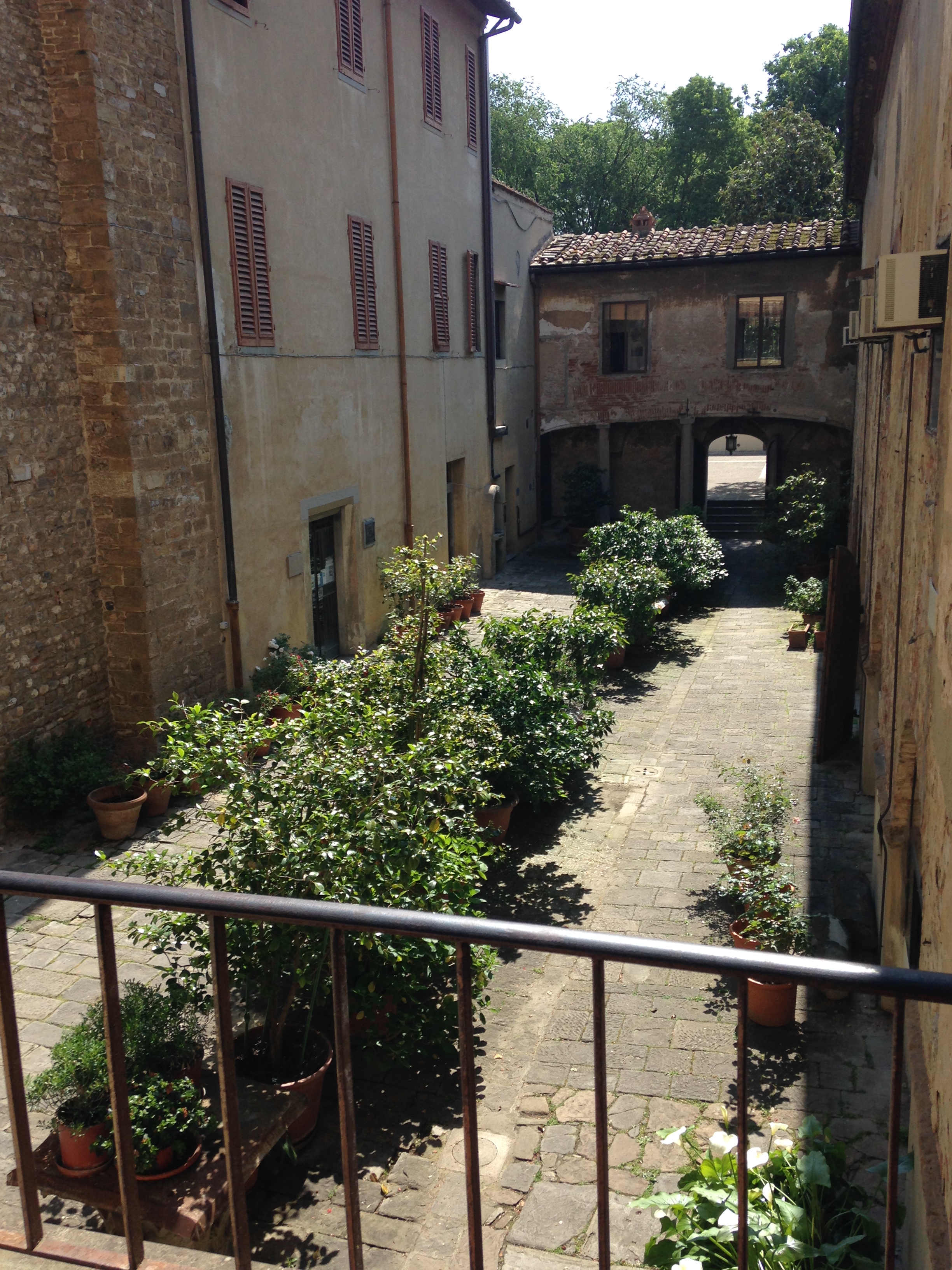
Same courtyard, from the other direction. Calla lilies and lemon trees.

IMG_1378

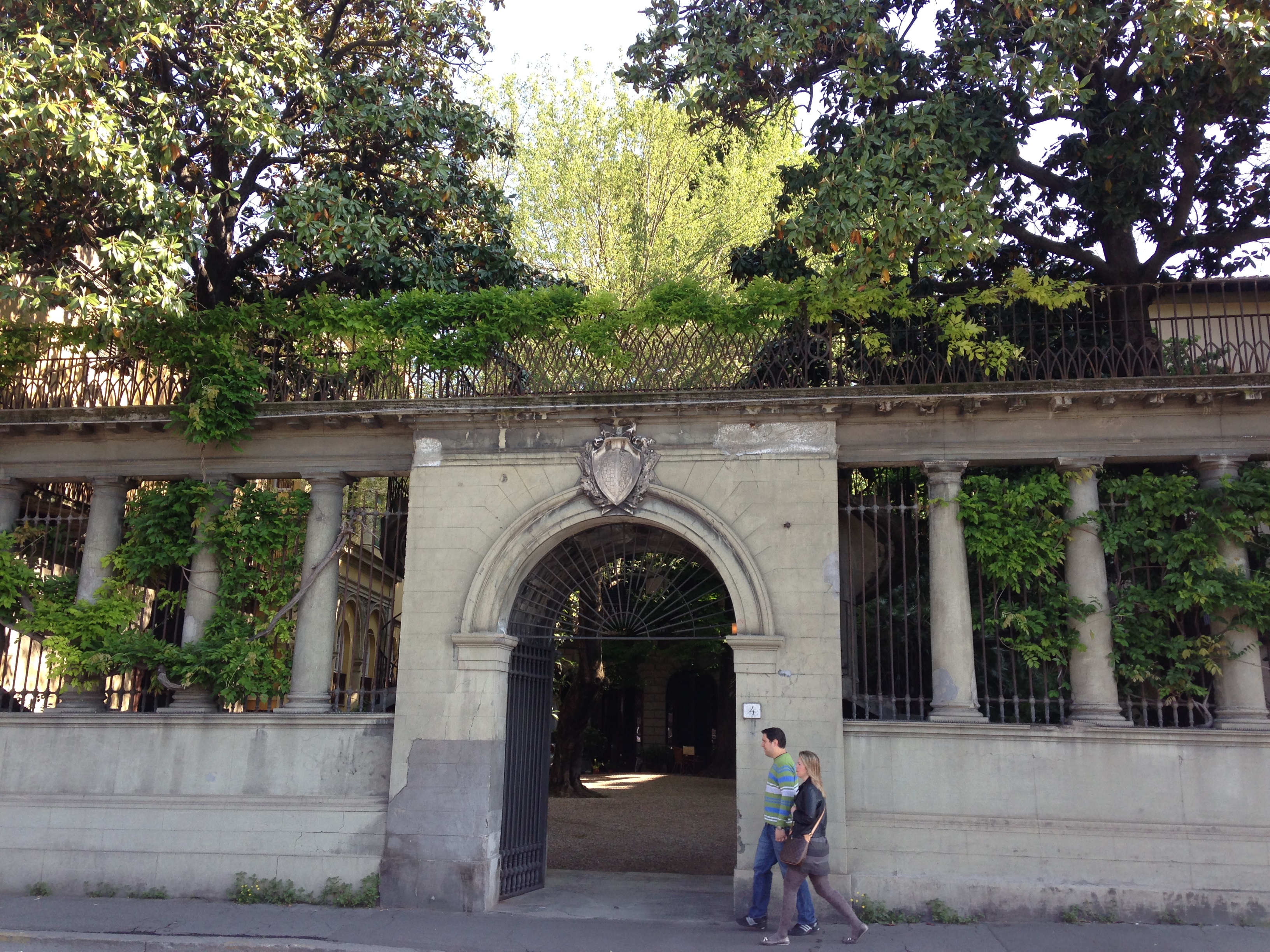
 When the gates of this garden opened unexpectedly, we were tempted to run inside.

photo 2

Courtyard at the Basilica of Santa Croce. I can’t help but feel that they could be doing more with this space…

Italian container garden

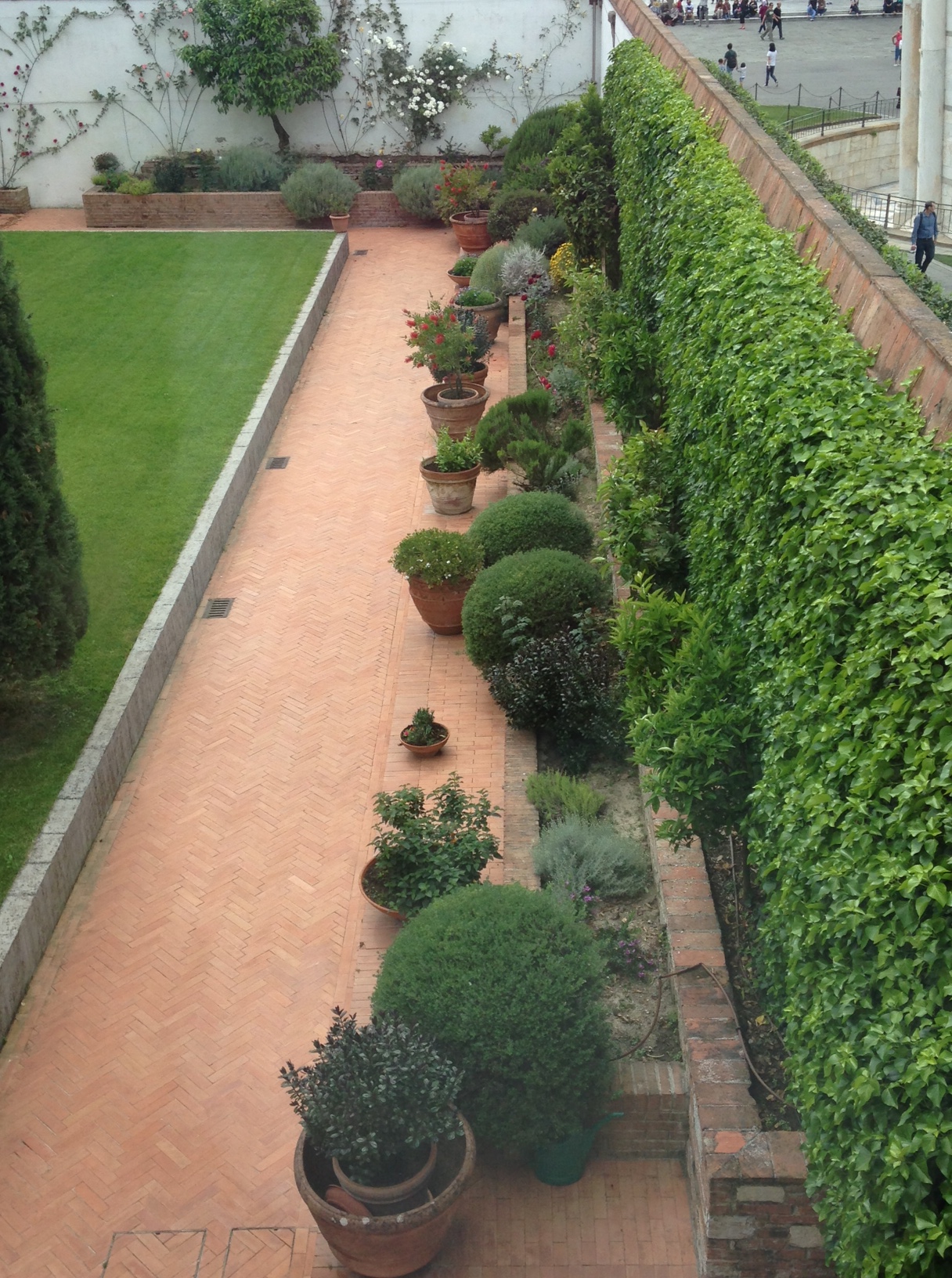
This one, in Pisa, was one of my favorites. The containers and plants are all very well maintained and artistically positioned. I like the brickwork as well.

garden

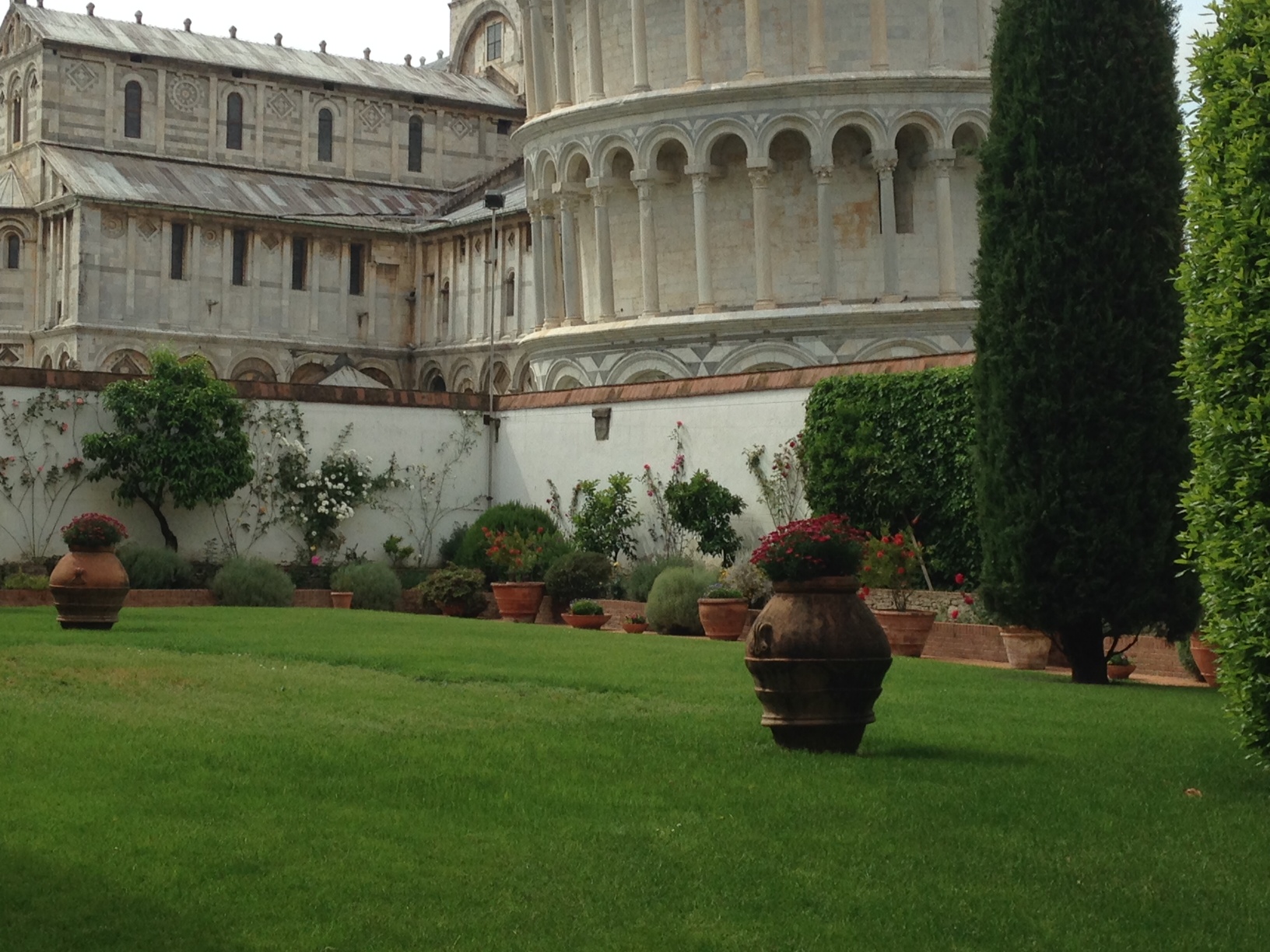
Same garden as in the picture above, but from a different angle. Behind the wall is the tower of Pisa which detracts attention from this garden.

Posted in Uncategorized | 1 Comment